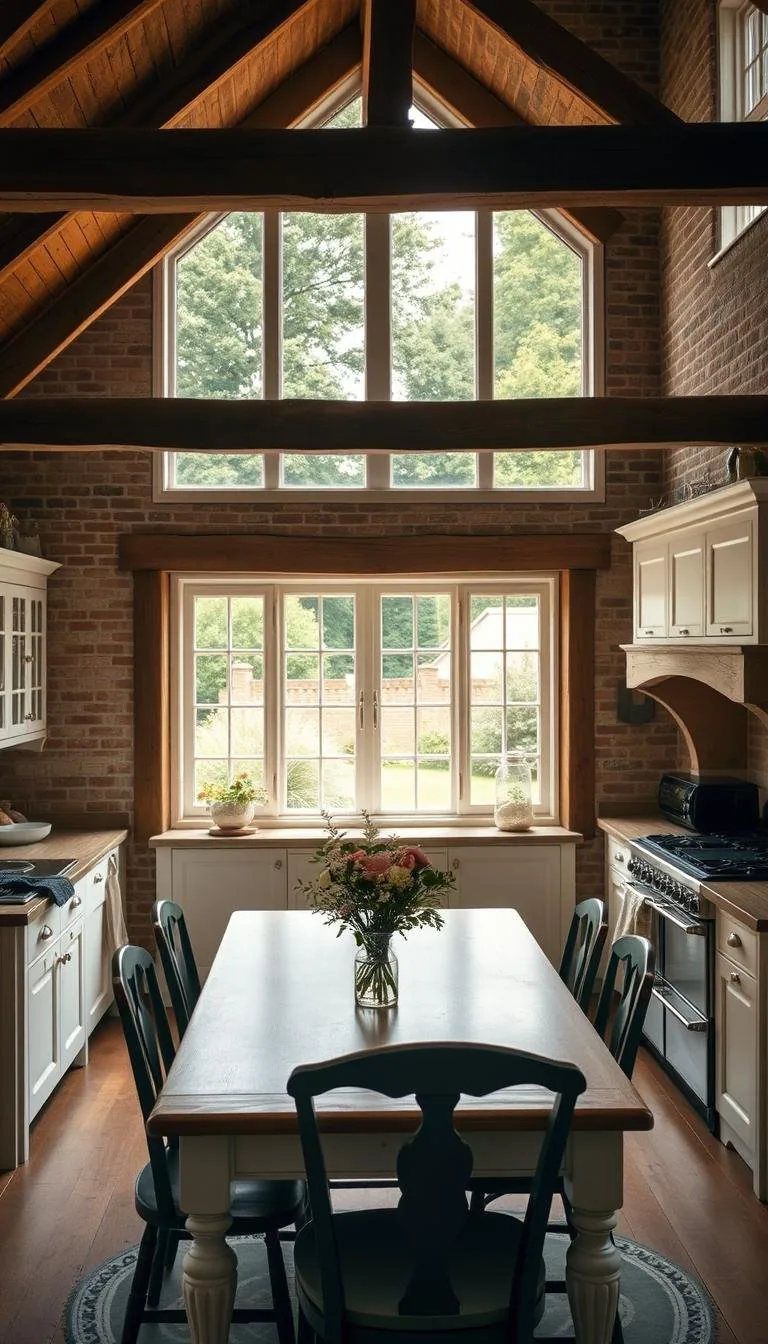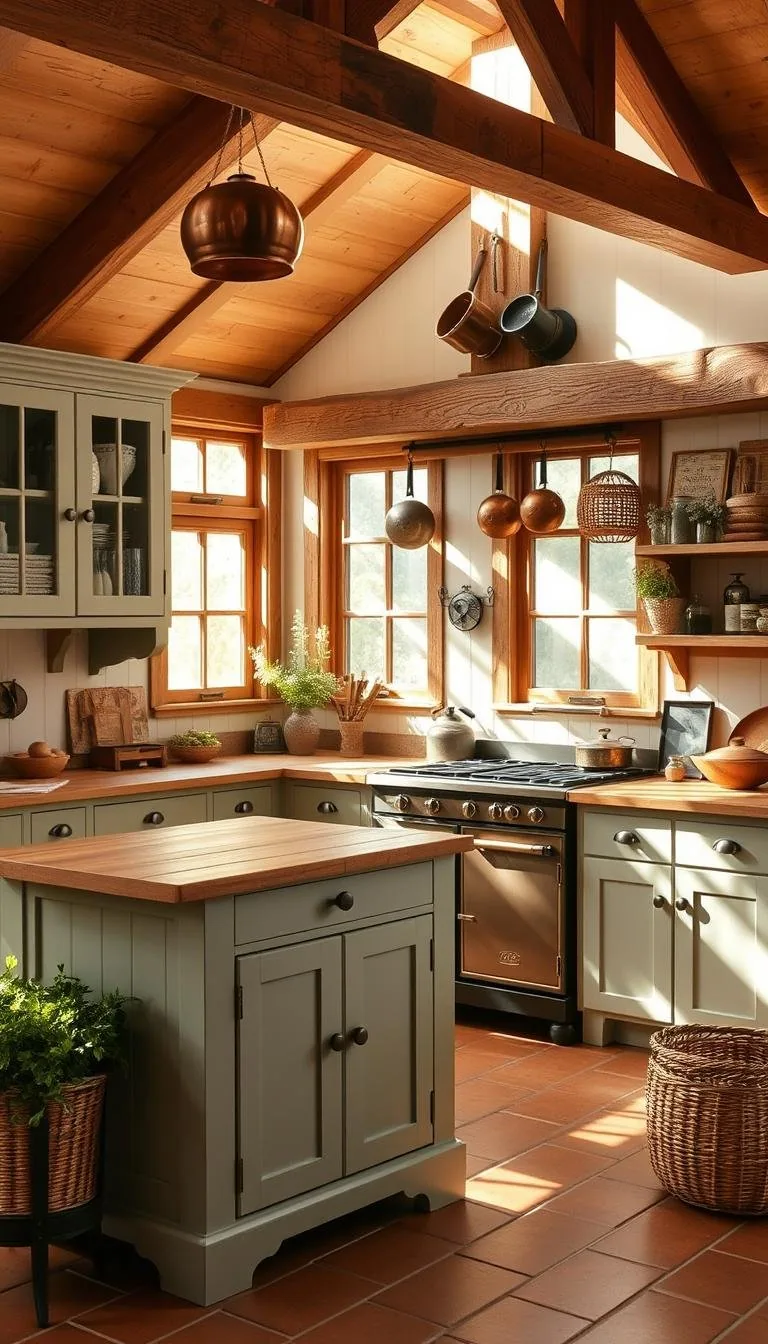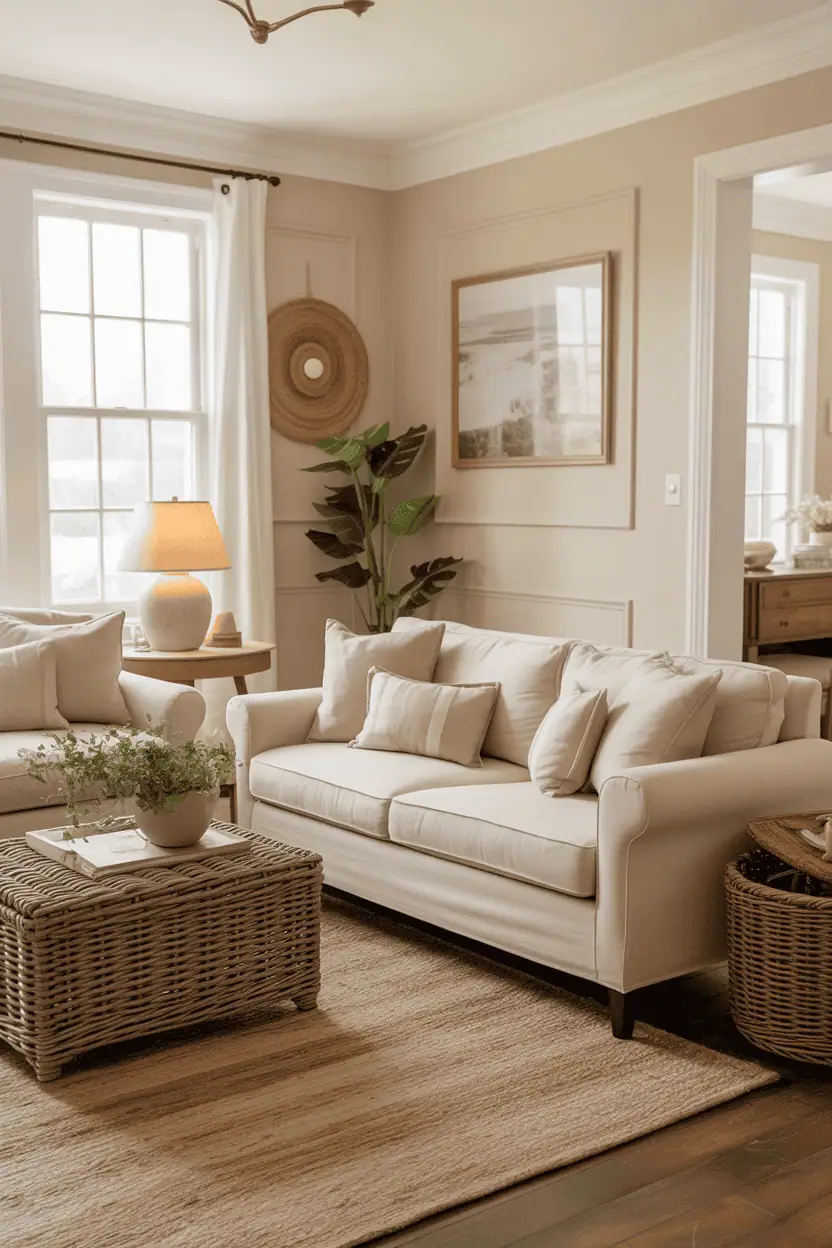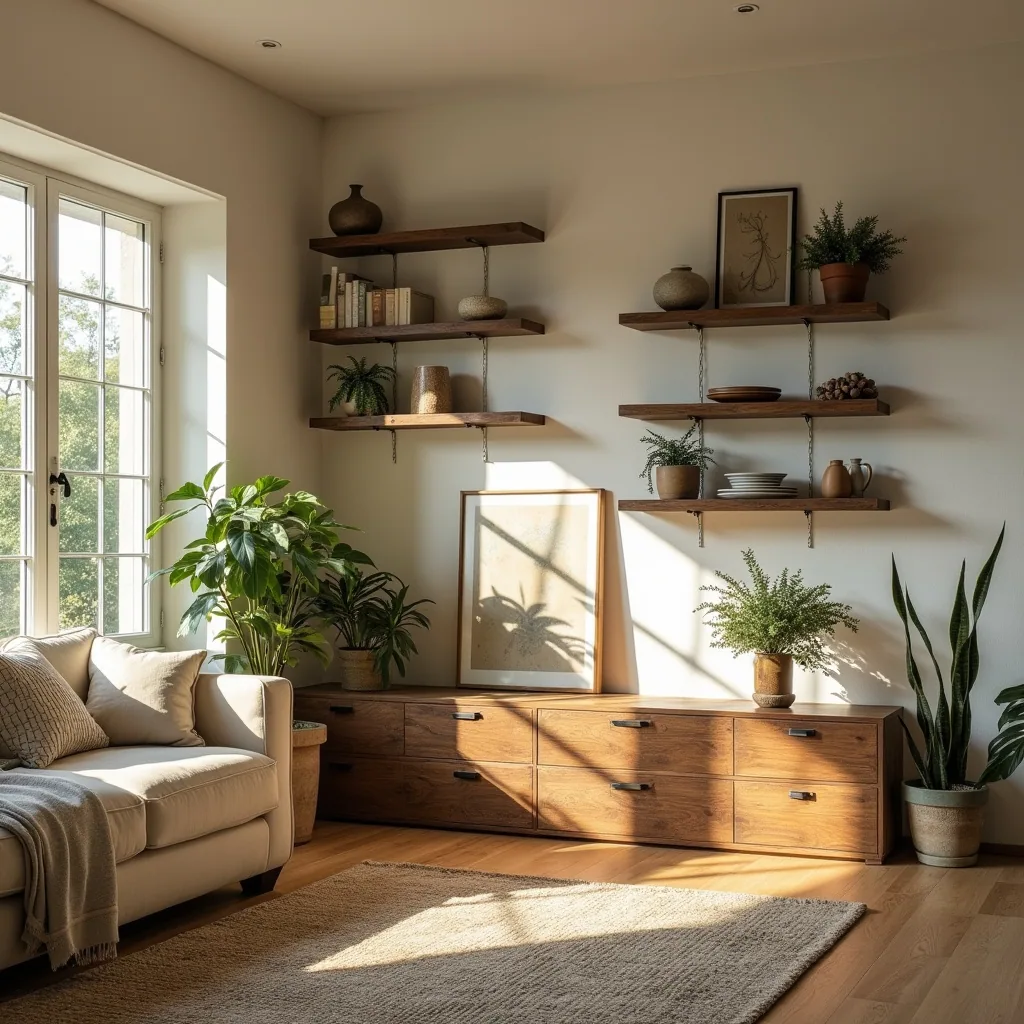
You stand in the middle of your living room staring at that coffee table you've been eyeing online for three weeks. It comes in dark walnut or light oak. The price is the same. The style is identical. But somehow this choice feels massive—because it is.
Dark wood or light wood isn't just about color. It's about how your entire room breathes. The wrong choice makes a space feel smaller, colder, or just... off. The right one? That's when everything clicks and you wonder why you stressed so much. Here's exactly how to choose.

Dark Wood: When It Works (And When It Definitely Doesn't)
Dark wood makes a statement the second someone walks in—there's no hiding it.

Espresso, walnut, mahogany—these finishes bring instant drama and depth. They anchor a room in a way light wood never will. But here's what most people miss: dark wood only works when you have the right canvas for it.
Best scenarios for dark wood:
- Rooms with abundant natural light (south or west-facing windows)
- Spaces with white or cream walls—SW Alabaster, BM White Dove, SW Pure White
- High ceilings that won't feel crushed by the weight
- Modern or transitional aesthetics where contrast is the goal
Dark wood against white walls creates that high-contrast look you see all over Pinterest. It's crisp. It's intentional. It reads expensive even when it's not.
Where Dark Wood Falls Flat
Small rooms with limited light turn into caves. Beige or tan walls make dark wood look muddy instead of rich. If your space is under 150 square feet or has only one small window, skip the dark finishes entirely. You'll fight it every single day.
Light Wood: The Secret Weapon for Expanding Space
Light wood doesn't announce itself—it invites you in.
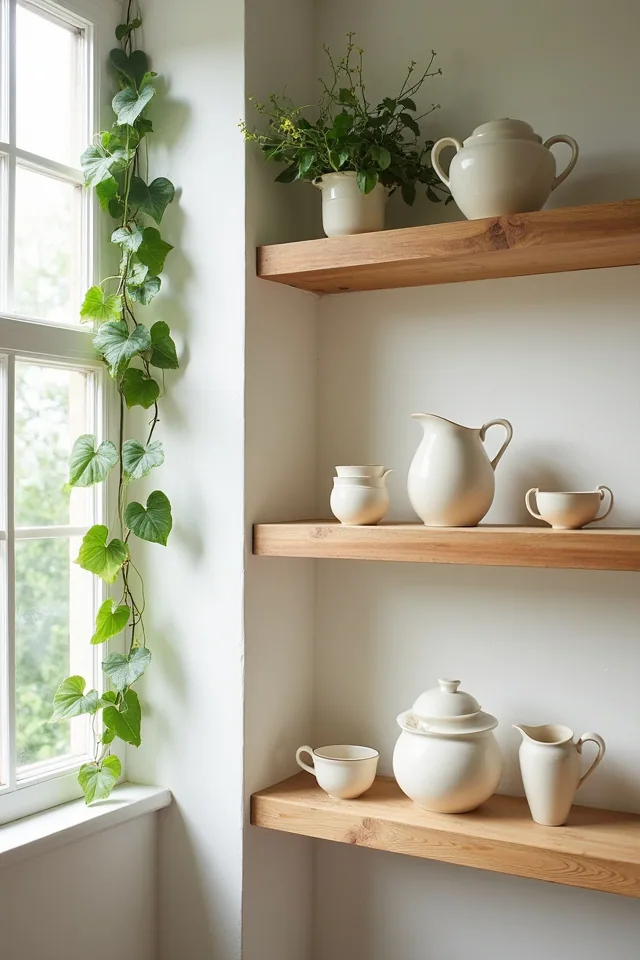
Oak, ash, birch, maple—these finishes do something magical: they make rooms feel bigger without taking up less space. Light wood reflects light instead of absorbing it, which is why Scandinavian and coastal interiors lean on it so heavily.
Light wood thrives in:
- Smaller spaces that need to feel open
- North-facing rooms that get cooler, indirect light
- Modern farmhouse, Scandinavian, or coastal boho aesthetics
- Homes where you're layering multiple wood tones
That white oak dining table in your apartment? It's not just furniture—it's visual breathing room. Light wood keeps spaces feeling airy even when they're fully furnished.
The One Downside Nobody Mentions
Light wood can read flat if your entire room is neutral. All-beige walls plus light wood plus cream upholstery equals visual silence. You need contrast somewhere—black metal accents, dark textiles, or bold artwork. Otherwise it's a bedroom that never quite wakes up.
The Natural Light Test: Your First Decision Point
Before you think about style or aesthetics, answer this one question.
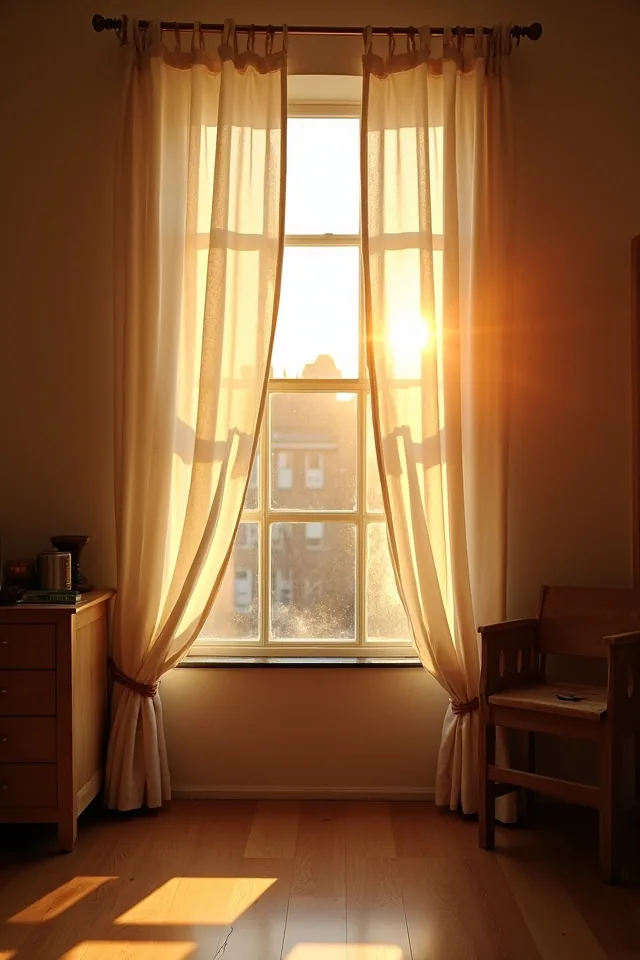
Stand in the room at 2pm on a weekday. Look at the walls. Are they bright? Or do you instinctively want to turn on a lamp? Natural light is the single biggest factor in whether dark or light wood will work.
Rooms flooded with sunlight can handle dark wood because there's enough brightness to balance the depth. The wood looks rich, not oppressive. Rooms with limited light need all the help they can get—light wood bounces what little light exists and makes the space feel less closed in.
Here's the harsh truth: you can't force dark wood into a dim room and expect it to look luxurious. It'll just look dark.
Wall Color Is Your Second Move
The wall color behind your wood furniture either amplifies it or cancels it out.
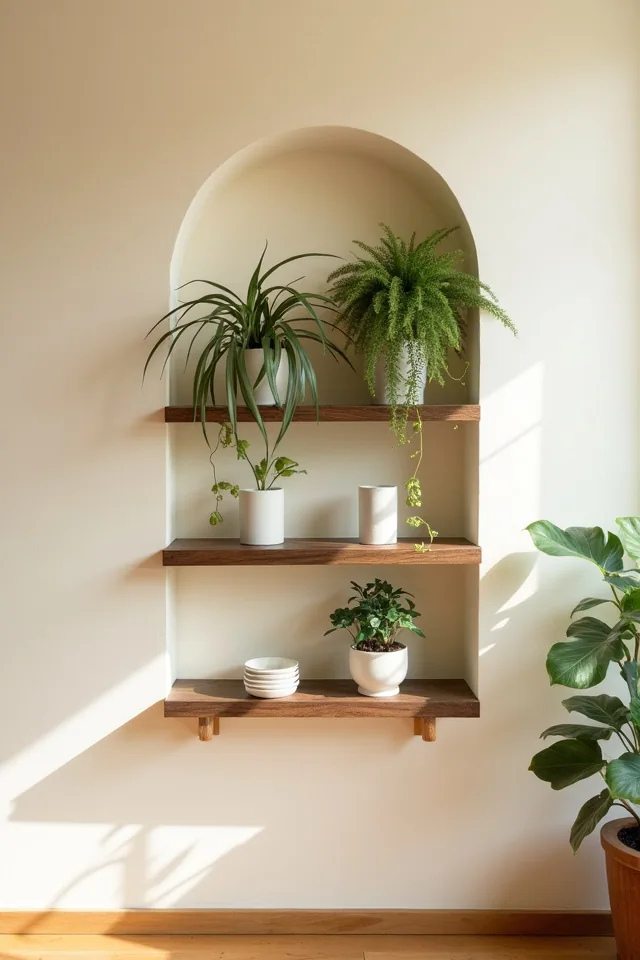
Dark wood against white walls? Stunning. Dark wood against beige walls? Muddy and unclear. Light wood against white walls? Fresh and airy. Light wood against greige walls? Warm and cohesive. The pairing matters more than the wood itself.
Best wall colors for dark wood:
- SW Pure White (crisp modern contrast)
- BM Simply White (softer, less stark)
- SW Repose Gray (contemporary with warmth)
Best wall colors for light wood:
- SW Accessible Beige (warm neutral that doesn't compete)
- BM Pale Oak (greige that lets the wood shine)
- SW Sea Salt (soft green-gray for coastal vibes)
If you're stuck with a wall color you can't change right now, choose the wood tone that works with what you have. Fighting your walls is a losing game.
You May Also Like
Room Size: The Practical Reality Check
A 200-square-foot bedroom and a 400-square-foot living room need different approaches.
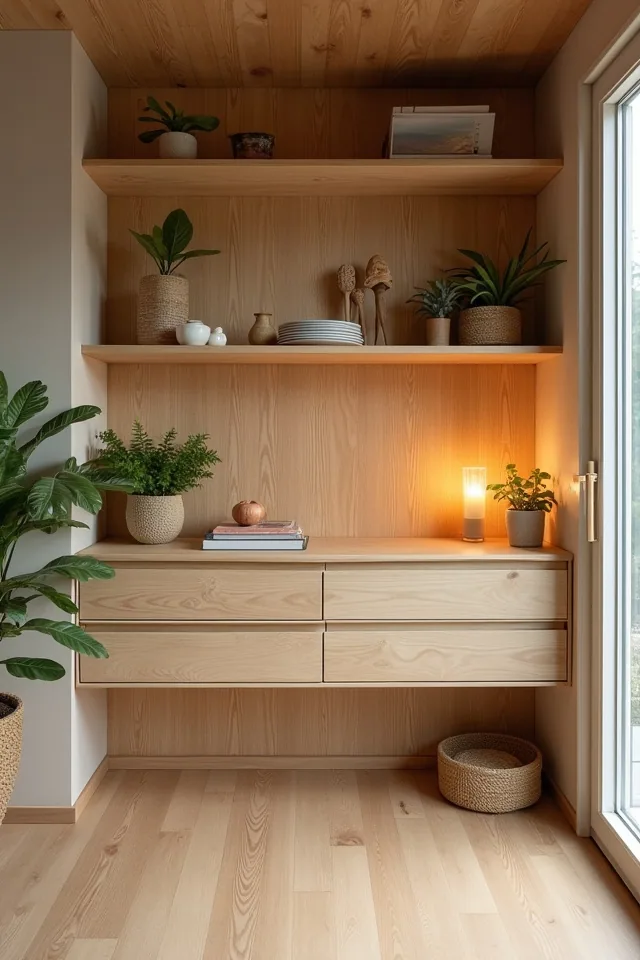
Dark wood in a large room with high ceilings creates groundedness and sophistication. Dark wood in a 10x10 bedroom makes it feel like you're sleeping in a cave. Size dictates how much visual weight a room can hold.
For smaller spaces under 150 square feet, light wood is almost always the smarter choice. It doesn't fight for attention. It supports the room instead of dominating it.
For larger spaces over 250 square feet, dark wood can anchor the room and prevent it from feeling too sparse. That's when a dark walnut credenza or espresso bookshelf makes the space feel designed instead of empty.
Aesthetic Style: What Looks Right in Your Home
Your existing decor style has a preference—even if you don't realize it yet.
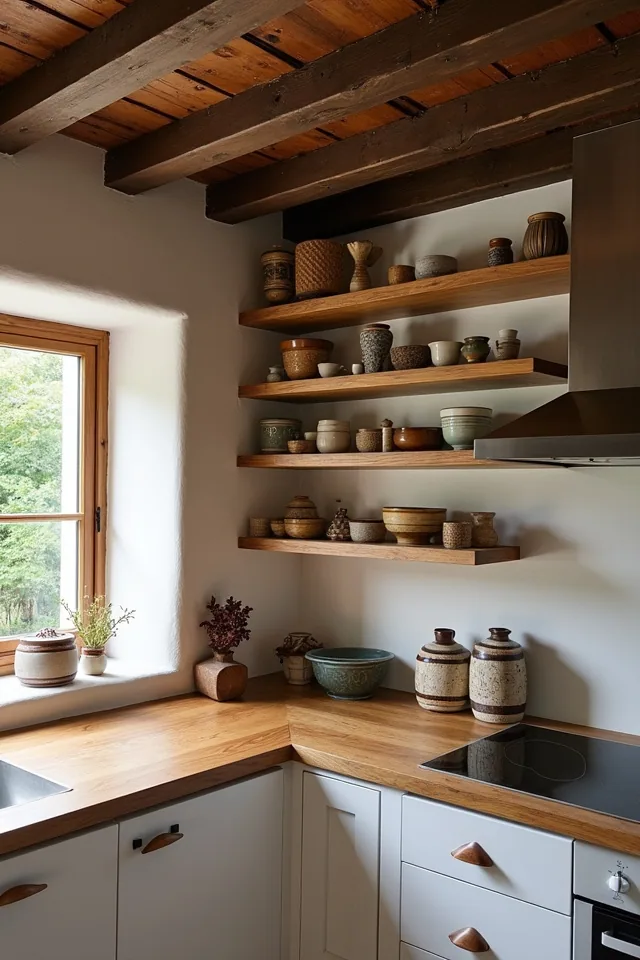
Modern farmhouse loves light and medium wood tones. That's the aesthetic's foundation—natural, worn-in, approachable. Dark wood in a farmhouse setting reads formal and traditional, not cozy.
Where each wood tone naturally fits:
- Light wood: Scandinavian, coastal, modern farmhouse, boho, japandi
- Dark wood: traditional, transitional, modern masculine, industrial
- Medium wood: mid-century modern, eclectic, warm minimalist
If your home leans rustic or organic, light wood integrates seamlessly. If you're going for sleek and sophisticated, dark wood elevates the mood. Trying to force the opposite creates visual confusion that's hard to fix.
The Maintenance Reality Nobody Warns You About
This isn't glamorous, but it's real: dark wood shows everything.
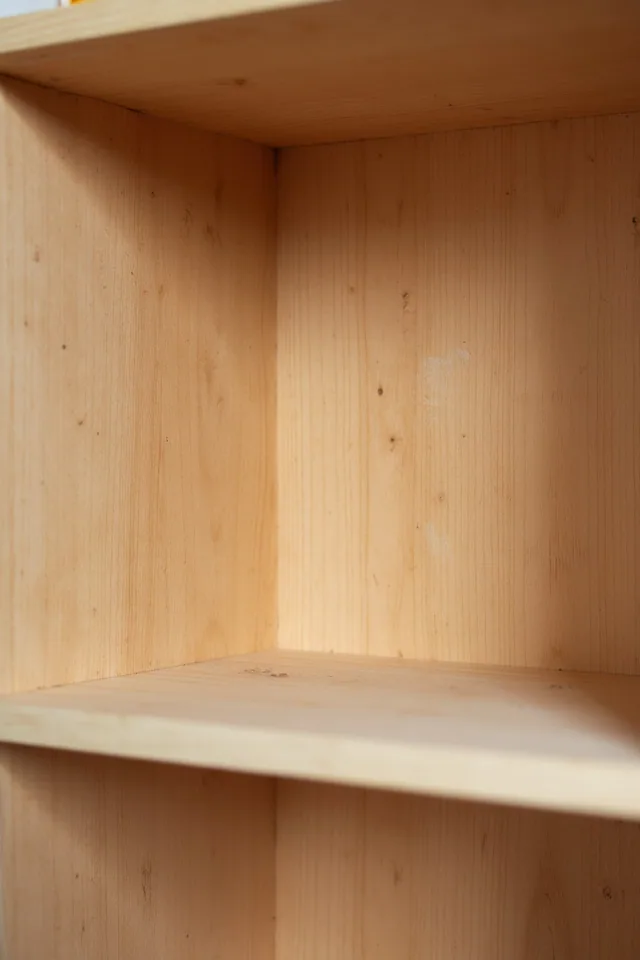
Dust, fingerprints, water rings, scratches—all of it is more visible on dark finishes. If you have kids or pets or just live your life, dark wood requires more upkeep to look polished. Light wood hides imperfections better and ages more gracefully with wear.
That espresso coffee table? You'll be wiping it down constantly. The light oak version? Dust sits there for three days before you even notice. It's not a dealbreaker, but it's worth knowing before you commit.
When Mixing Both Is Actually the Best Answer
You don't have to choose just one—but you do need a system.
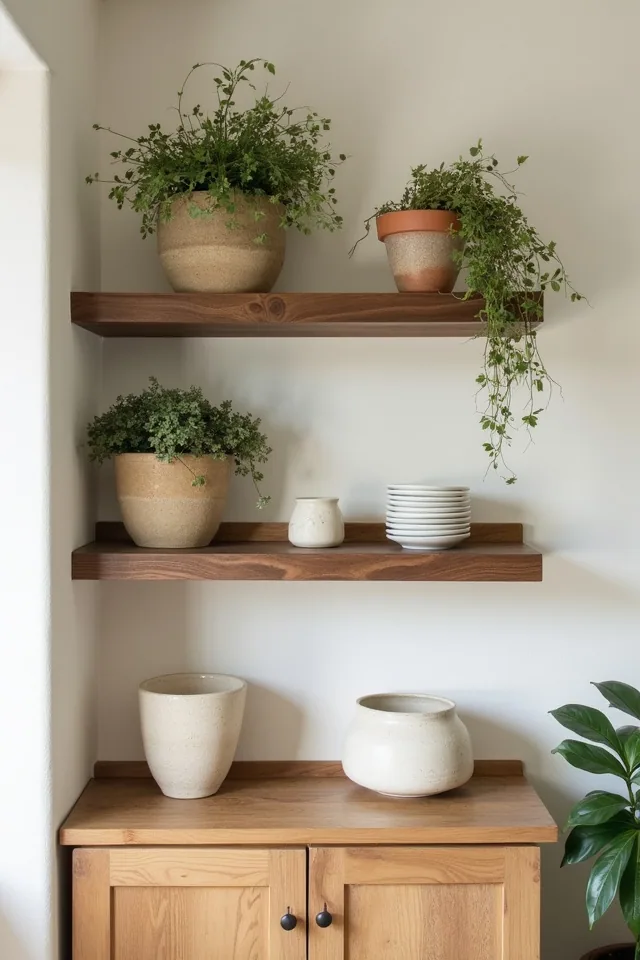
The most successful spaces layer wood tones intentionally. A dark dining table with light wood chairs. Light wood shelving with dark picture frames. The key is establishing one dominant tone and using the other as an accent.
Rules for mixing wood tones:
- Choose one wood tone as your primary (60% of wood pieces)
- Use the contrasting tone as an accent (30%)
- Add one medium-tone piece for transition (10%)
- Vary the finish—matte, glossy, distressed—to create separation
A living room with a light oak coffee table, medium walnut side tables, and dark espresso picture frames feels curated. All three in the same tone feels one-note. The contrast creates depth.
Resale Value: What Buyers Actually Prefer
If you're thinking long-term, this matters more than you'd think.
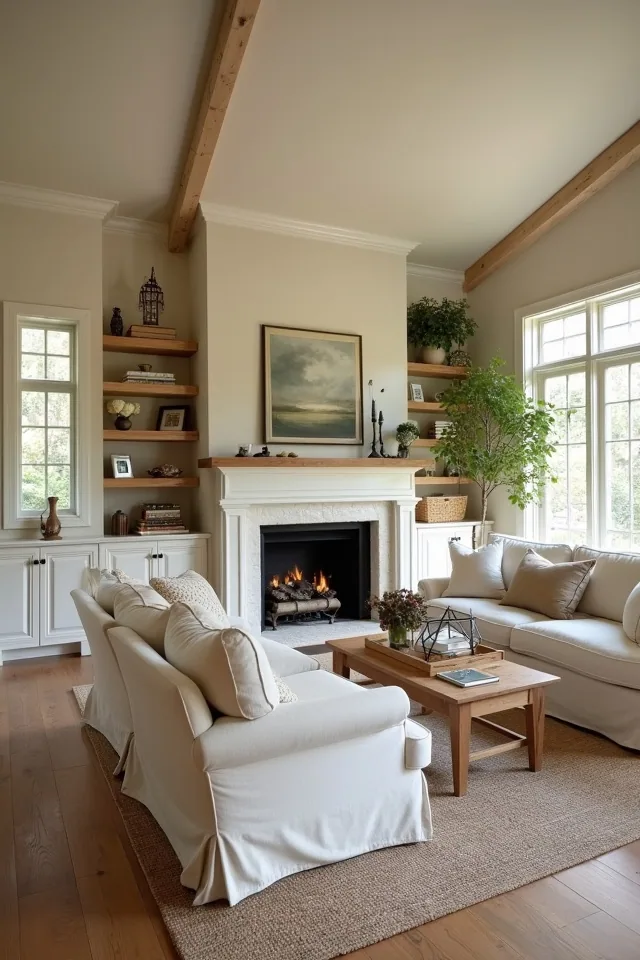
Light and medium wood tones have broader appeal when it comes time to sell. They're neutral enough that buyers can envision their own style layered in. Dark wood can feel too specific or dated if trends shift.
This doesn't mean avoid dark wood entirely—just know that built-ins or permanent fixtures in dark finishes might not age as well. A dark wood headboard you can take with you? Go for it. Dark wood kitchen cabinets? That's a renovation conversation down the road.
Budget-Friendly Testing Before You Commit
You don't have to buy the dining table to know if dark or light wood works in your space.
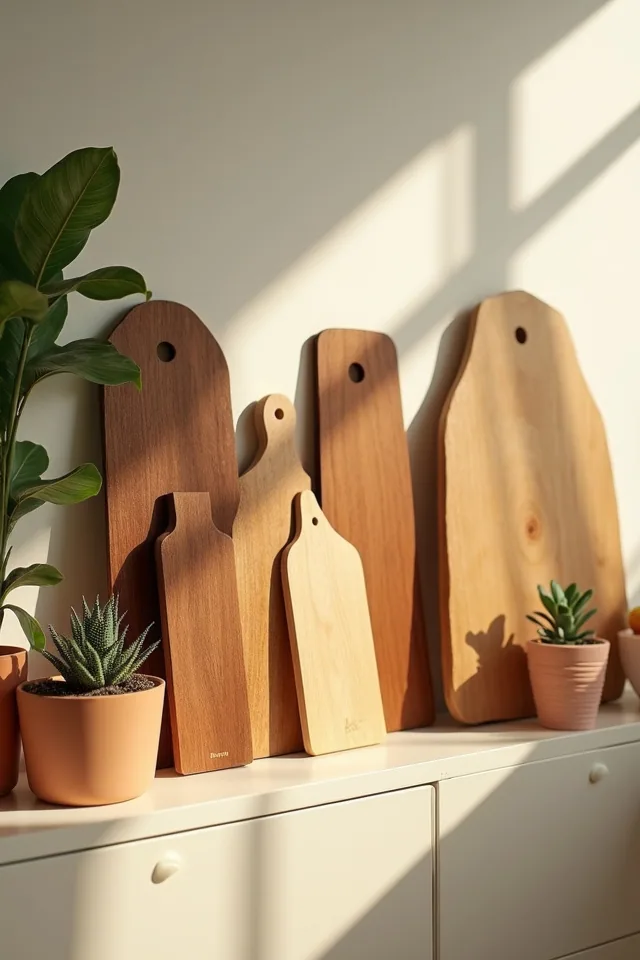
Start with smaller accent pieces and see how they feel. A dark wood picture frame on a light shelf. A light wood tray on your coffee table. Live with it for two weeks and notice whether it makes the room feel better or just... different.
Amazon has solid wood decorative bowls in both dark mango wood and light acacia for $25-40—perfect test pieces that look intentional even if you're just experimenting. If the dark bowl makes your console table sing, that's your answer. If it feels heavy, try the light version.
You May Also Like
The Temperature of Your Room Matters More Than You Think
Some rooms just feel cold—even when the thermostat says otherwise.
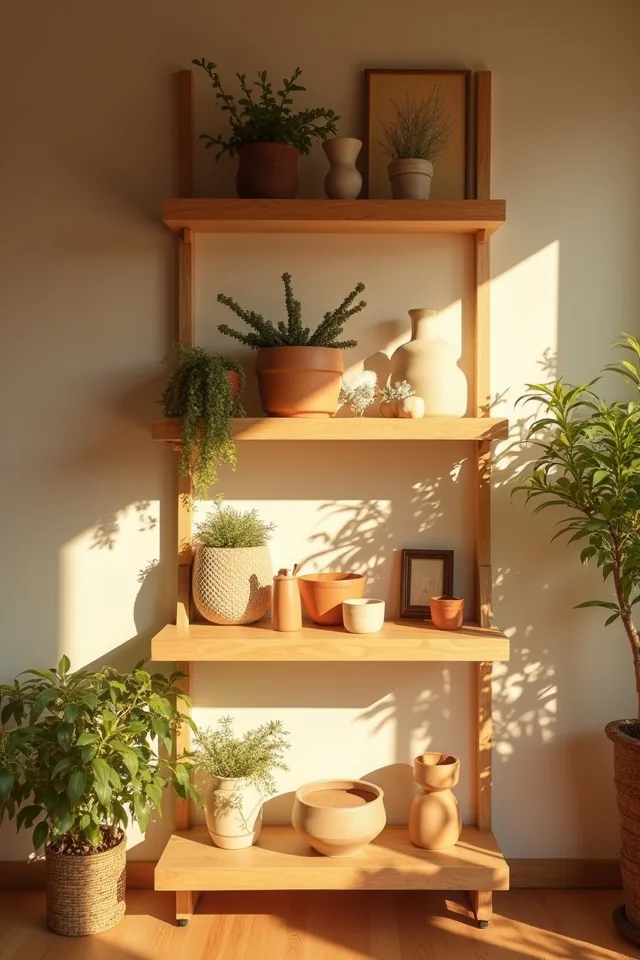
North-facing rooms with blue or gray undertones need warmth. That's where light wood with honey or golden tones becomes essential. It brings warmth without adding visual weight. Dark wood in a cold room amplifies the chill instead of balancing it.
South or west-facing rooms with warm afternoon light can handle cooler-toned woods—even dark espresso with gray undertones—because the natural light adds warmth back in.
Pay attention to how your room feels at different times of day. If it's cold and shadowy in the morning, light wood will make it more livable. If it's flooded with golden light in the afternoon, dark wood won't drag it down.
Your Existing Furniture Palette: The Constraint You Can't Ignore
That gray sofa you bought last year? It just narrowed your wood options.
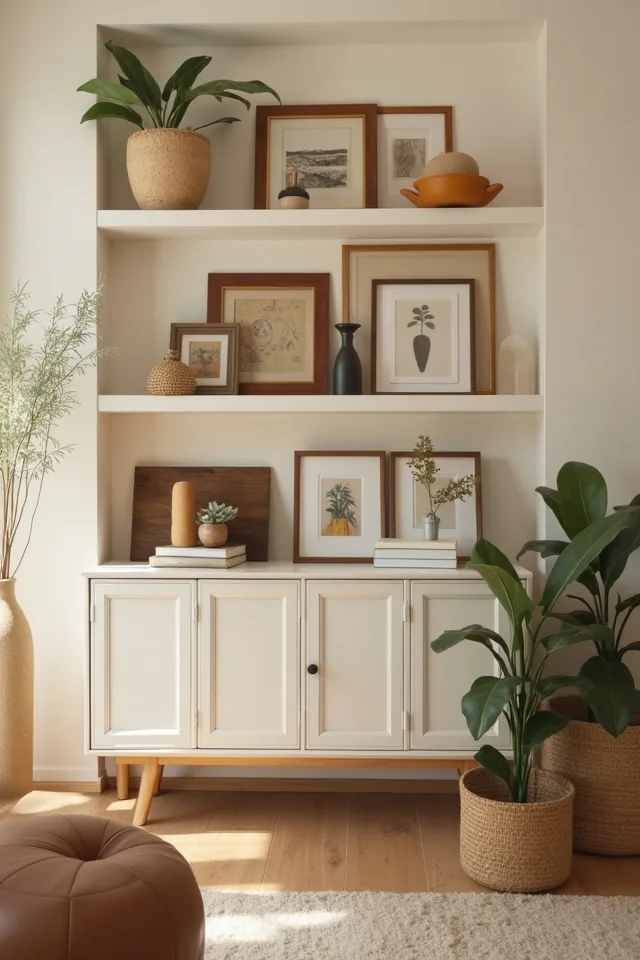
If you already have furniture in place, your wood choice has to work with what exists. Gray upholstery pairs beautifully with both light and dark wood, but beige upholstery needs the right undertone match or everything looks muddy.
Quick compatibility guide:
- Gray or charcoal furniture: works with any wood tone
- Beige or tan furniture: needs warm-toned light wood or rich dark wood—avoid cool grays
- White or cream furniture: stunning with dark wood for contrast, soft with light wood
- Navy or jewel tones: dramatic with dark wood, fresh with light wood
You don't have to replace your sofa to get the wood tone right. You just have to acknowledge what you're working with.
The Honesty Test: What Do You Naturally Gravitate Toward?
Open Pinterest right now and look at your saved pins for living rooms or bedrooms.
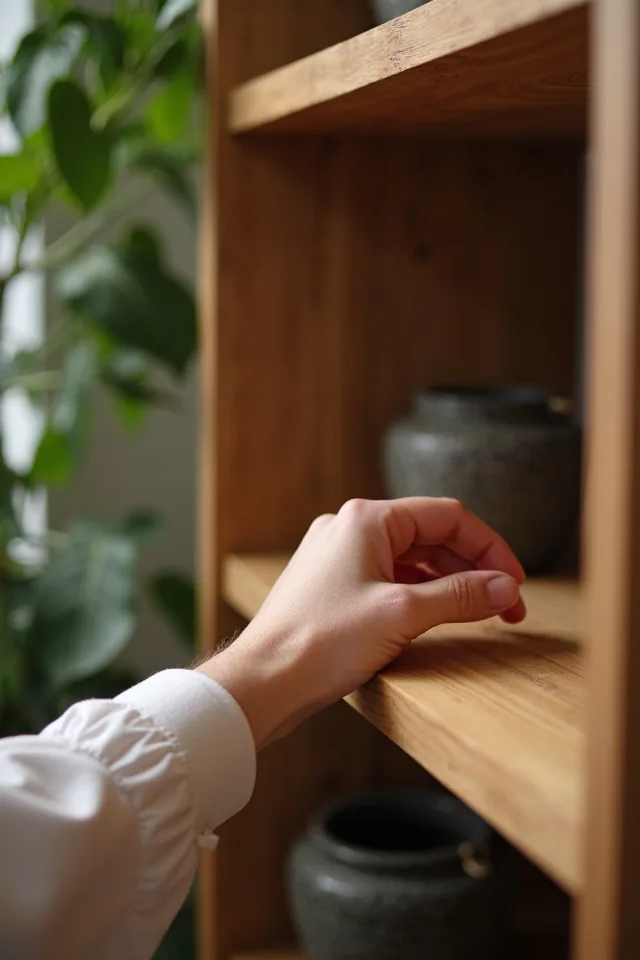
What wood tones keep showing up? If 80% of your saves feature light wood and whitewashed finishes, that's your answer. Stop fighting it and just lean in. Your taste is telling you something.
If you keep saving dark, moody spaces with espresso furniture and you live in a sun-drenched apartment, you have the light to pull it off. If you keep saving airy Scandinavian interiors but your room has one small window, light wood will get you closer to that feeling.
The disconnect happens when you try to force a look that doesn't match your space. Listen to your pins, but fact-check them against your actual walls and windows.
The right wood tone doesn't make you second-guess it every time you walk in the room. It just feels like it belongs there. Start with one piece—a frame, a bowl, a shelf—and let that guide the rest. You don't need to get the whole room right at once.
Save this for later—and explore more at The Woodworking Wonders.