You've been saving Japandi living rooms for months. The ones that feel breathless and calm at the same time. The ones where every single piece looks intentional, but nothing feels overthought. You want that — but when you look around your own space, it just feels… cluttered.
Here's the truth: Japandi isn't about emptying your home. It's about the right pieces in the right places. And wood is what makes it work. Not rustic barn beams. Not glossy modern planks. The kind of wood that feels warm, minimal, and lived-in all at once. This list gives you 20 specific wood pieces that nail the Japandi look — no guessing, no overwhelm. Just the ideas that actually deliver calm.
1. A Low-Profile Oak Platform Bed
This is the centerpiece that sets the tone for your entire bedroom.
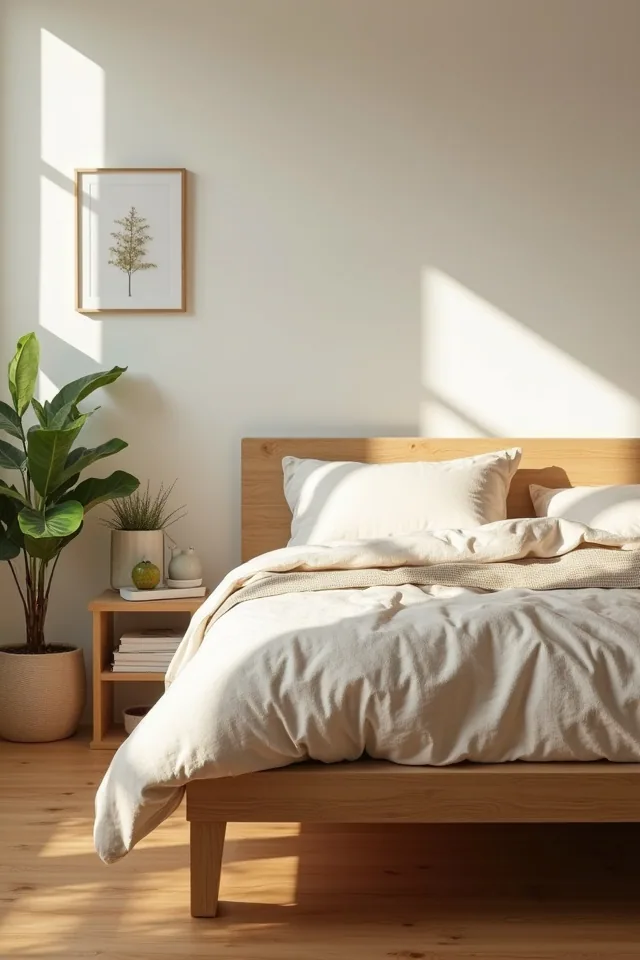
A platform bed in light oak sits low to the ground, making the room feel more expansive without shrinking your floor space. The grain should be visible but subtle — you want texture, not drama. Skip anything with ornate headboards or heavy frames. The Japanese influence here is all about that grounded, almost-floating presence.
- Pair it with white linen bedding for instant Japandi calm
- Look for frames in oak, ash, or blonde maple
- The $300-500 range on Amazon gives you solid wood, not particle board
Best Paired With
A single pendant light on each side instead of chunky table lamps. Keep the nightstands minimal or skip them entirely — a wood tray on the floor works just as well.
2. Floating Walnut Shelves in the Kitchen
Open shelving isn't just trendy — it's core Japandi philosophy.
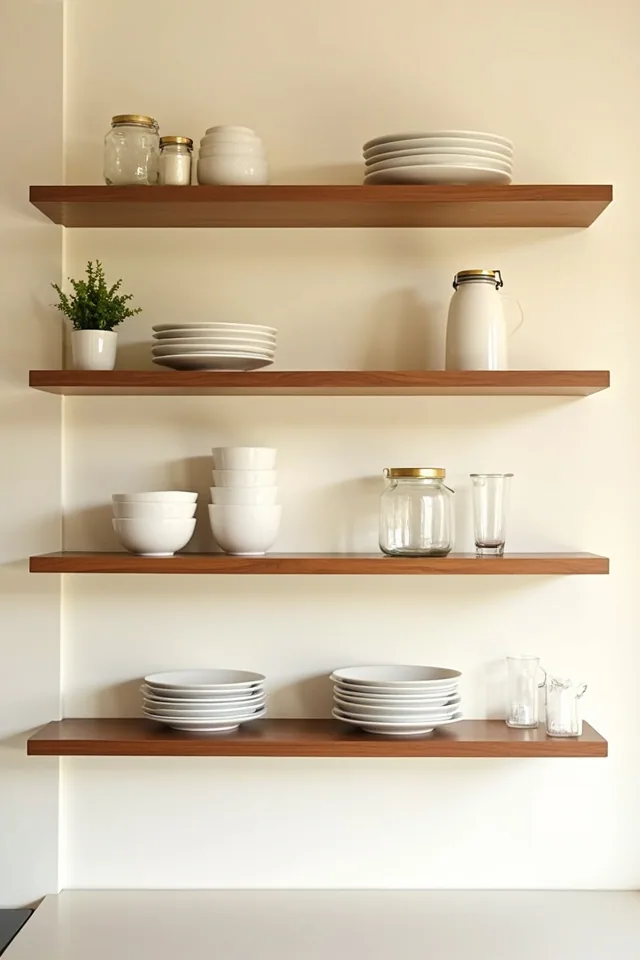
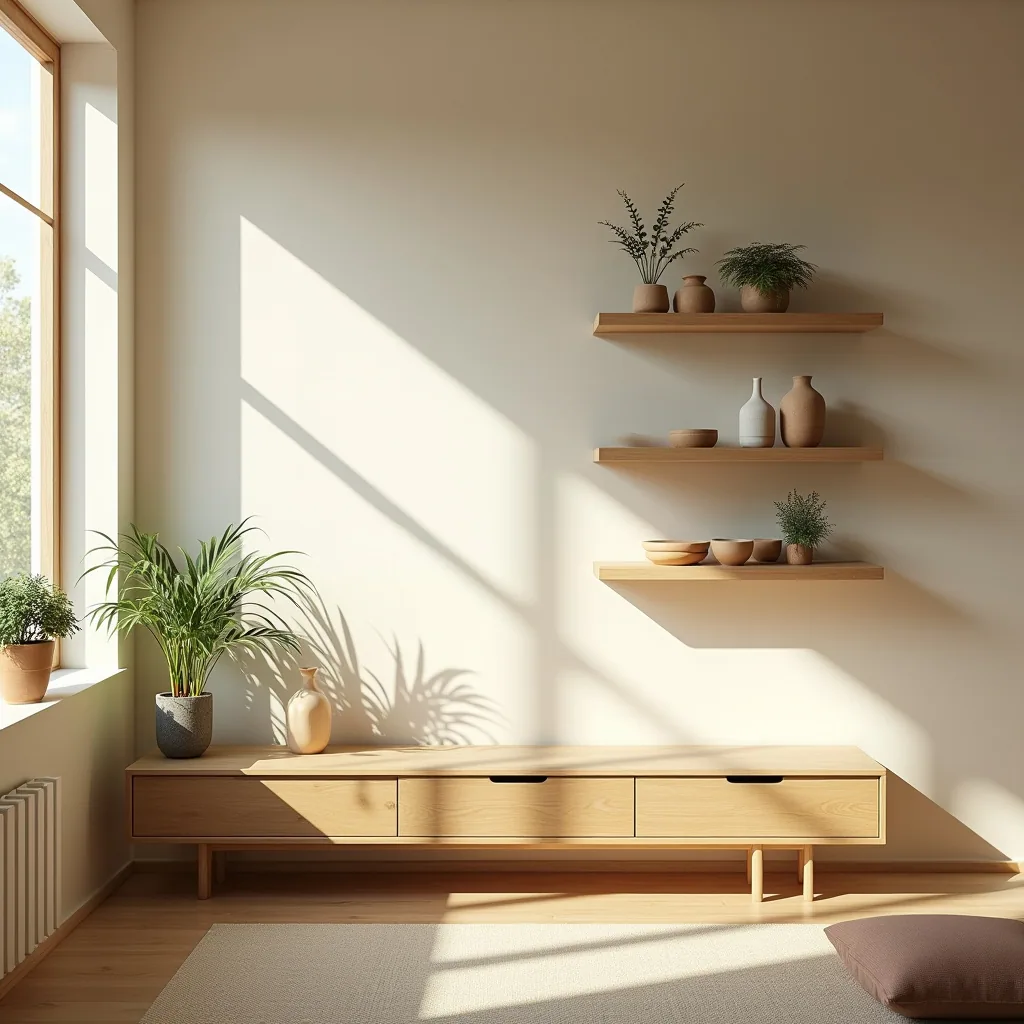
Walnut floating shelves against white or light gray walls create the visual breathing room Japandi demands. The darker wood grounds the space without making it heavy. Mount them with hidden brackets so they truly look like they're floating. Stock them with white ceramics, glass jars, and one trailing pothos plant.
- Two shelves are better than five — resist the urge to over-install
- Leave 30% of the shelf empty at all times
- Walnut works best against SW Repose Gray or BM White Dove
3. A Shou Sugi Ban Accent Wall Panel
This Japanese charred wood technique is having a major moment, and for good reason.
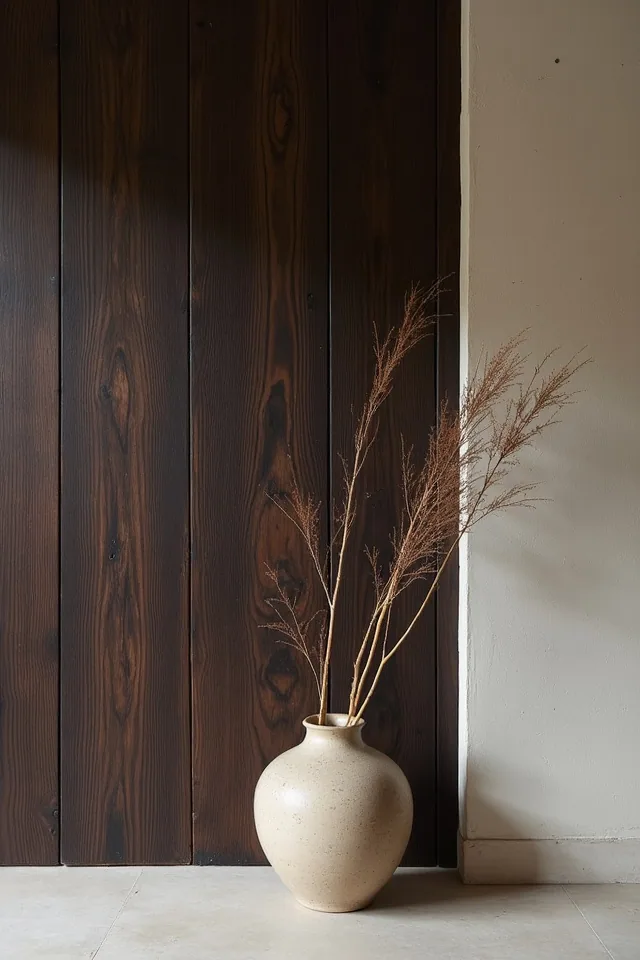
Shou sugi ban panels bring deep black-brown texture without paint or wallpaper. The charred surface catches light differently throughout the day, adding dimension to flat walls. One panel behind your bed or sofa is all you need — Japandi thrives on restraint. The wood underneath is usually cedar or pine, treated with fire and sealed.
How to Style It
Keep everything around it light. White bedding, cream throw pillows, natural jute rug. The dark wood becomes the anchor, not the whole story.
- Look for pre-made panels on Amazon in the $80-120 range
- Mount with construction adhesive for a seamless look
- One 4x8 panel is enough for most accent walls
4. A Round Mango Wood Coffee Table
Square corners feel harsh in Japandi spaces — curves soften everything.
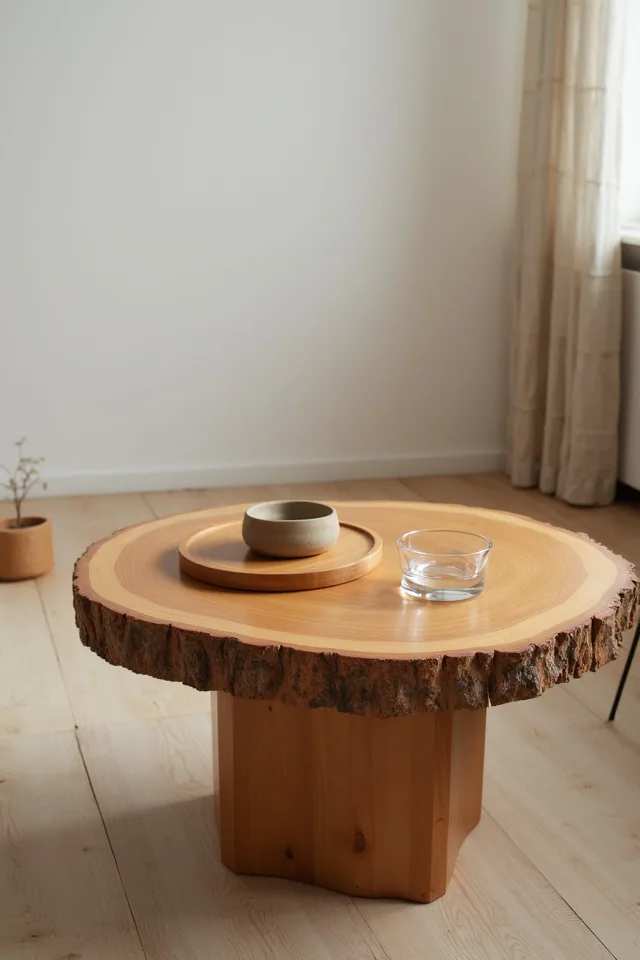
A round coffee table in mango wood with a natural finish creates the kind of organic centerpiece that invites you to sit and stay. The wood's warm honey tone works with both Scandinavian whites and Japanese neutrals. Look for tables with clean pedestal bases or simple three-leg designs. No glass tops, no metal accents — just wood.
- Diameter sweet spot: 32-36 inches for most living rooms
- Mango wood has natural grain variation that adds interest
- Budget range: $150-300 gets you solid construction
5. A Wooden Dowel Clothing Rack
Open closets can look intentional instead of unfinished — if you do them right.
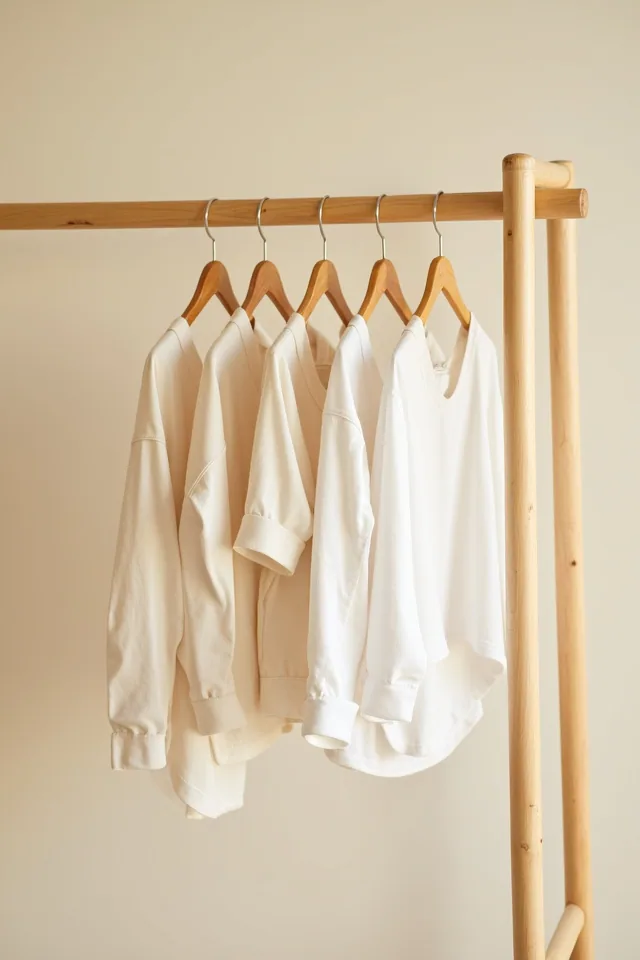
A simple dowel rack in light ash or birch leans into the Japandi love of visible simplicity. It forces you to curate what you display, which is the entire point. Hang only neutral tones, face all hangers the same direction, and leave space between garments. The wood warms up what could otherwise feel industrial.
Best For
Bedrooms without enough closet space, or anyone ready to embrace minimalist wardrobes. This isn't storage — it's curation on display.
You May Also Like
6. A Live Edge Dining Table in Pale Oak
This is where Scandinavian clean lines meet Japanese respect for natural materials.
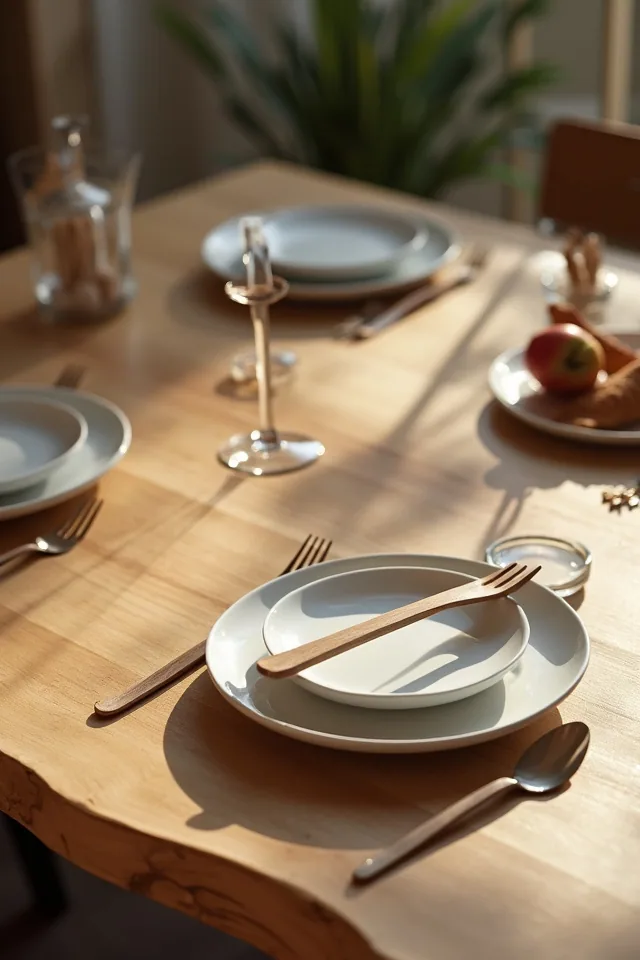
A live edge table keeps one side of the wood slab in its natural, uncut form — celebrating the tree's original shape instead of forcing symmetry. In pale oak or ash, it feels light and organic, not heavy or rustic. Pair it with simple linen chairs and a single ceramic vase centerpiece. Nothing more.
- Look for tables with hairpin legs or slim trestle bases
- Pale wood keeps the look minimal; dark walnut edges too rustic
- Seats 6-8 in the $500-900 range on Amazon
7. Wooden Peg Rails in the Entryway
Forget bulky coat racks — peg rails are Japandi gold.
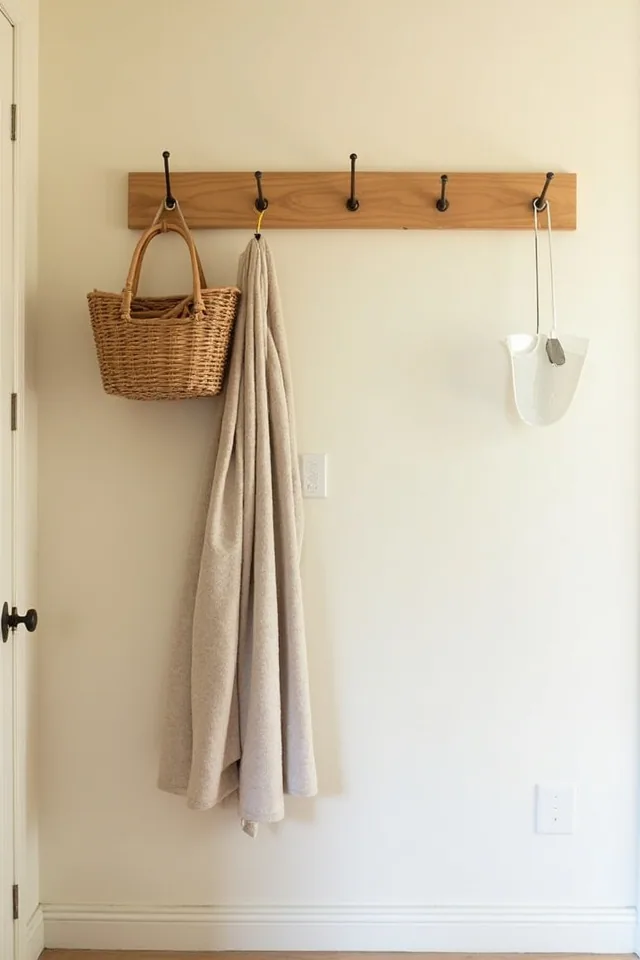
Simple wood pegs mounted on a board (usually oak or maple) create functional wall art that doesn't scream "storage". Hang coats, bags, hats, and woven baskets. The wood adds warmth to the first thing guests see when they walk in. Keep the pegs spaced evenly and the board itself minimal — no decorative edges, no stain, just natural finish.
How to Style It
Hang only neutral-toned items. A black wool coat, a cream tote bag, a straw hat. Color chaos ruins the calm instantly.
8. A Wooden Bathtub Tray in Teak
Small wood accents matter just as much as big furniture pieces.
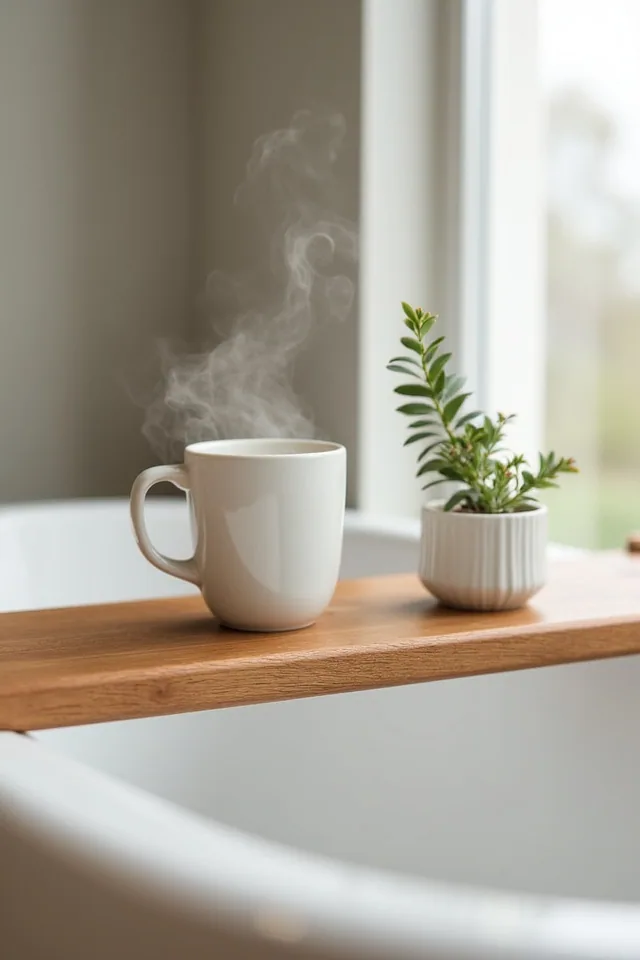
A teak bathtub caddy that stretches across your tub brings spa-level serenity to the one room where you actually need it. Teak naturally resists water, so it won't warp or crack. Use it to hold a single candle, a book, and a cup of tea. The wood grain against white porcelain is peak Japandi contrast.
- Look for trays with expandable sides to fit any tub width
- Teak develops a silvery patina over time — that's the goal
- Amazon's $30-50 range has solid options that last years
9. A Slatted Wood Bench at the Foot of Your Bed
This piece does double duty: it looks beautiful and solves the "where do I put extra pillows" problem.
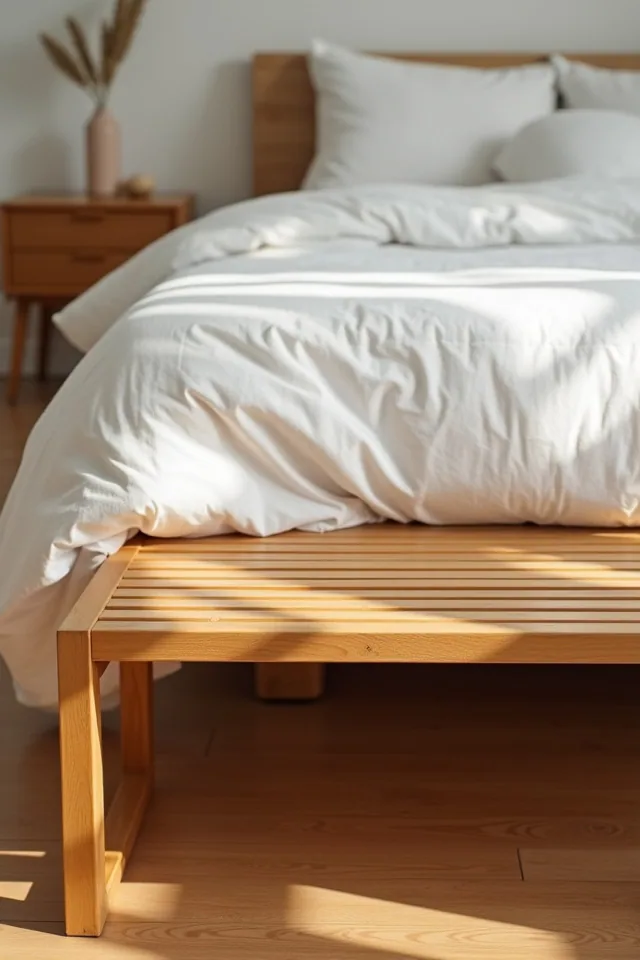
A bench with horizontal wood slats in light oak or birch creates visual rhythm without visual weight. The gaps between slats keep it from feeling bulky, which is crucial in bedrooms. Drape a linen throw over one side, stack two neutral pillows on the other, and leave the middle empty.
Best Paired With
Platform beds, white bedding, and walls painted in BM White Heron or SW Alabaster. The bench needs to contrast gently, not compete.
10. Wooden Picture Ledges Instead of Frames
Gallery walls feel too busy for Japandi — picture ledges solve that.
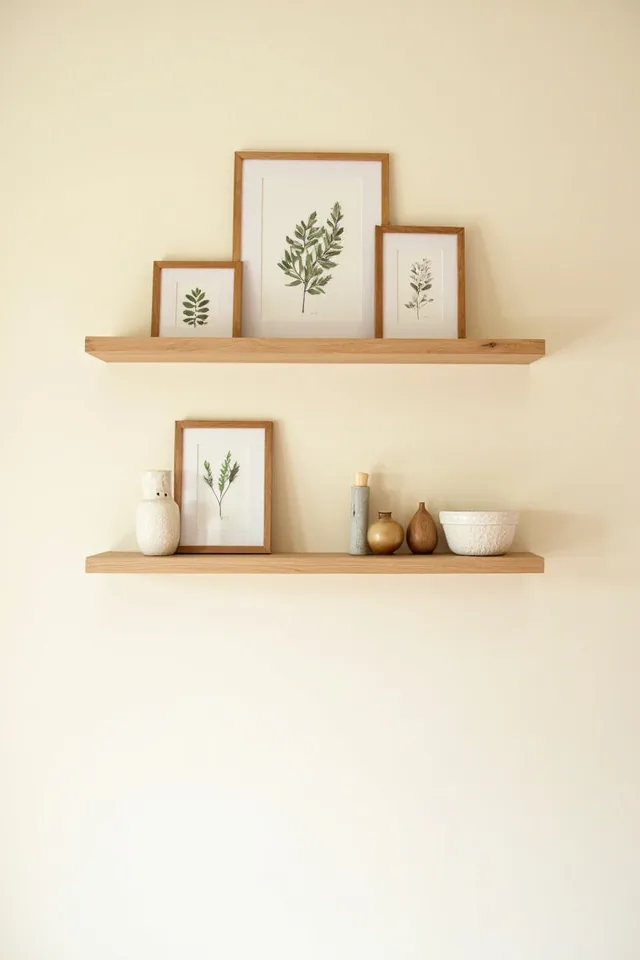
Shallow wood ledges in maple or ash let you lean art instead of hammering nails. The beauty is in the flexibility — you can swap pieces whenever you want, layer smaller prints in front of larger ones, or mix in a single branch in a glass vase. The wood edge adds warmth to what could otherwise feel sterile.
- One ledge per wall maximum — restraint is the rule
- Keep frames minimal: black, white, or natural wood only
- Look for ledges 24-36 inches long in the $20-40 range
You May Also Like
11. A Wooden Dough Bowl as a Centerpiece
This is the piece that makes your dining table or kitchen island feel complete.
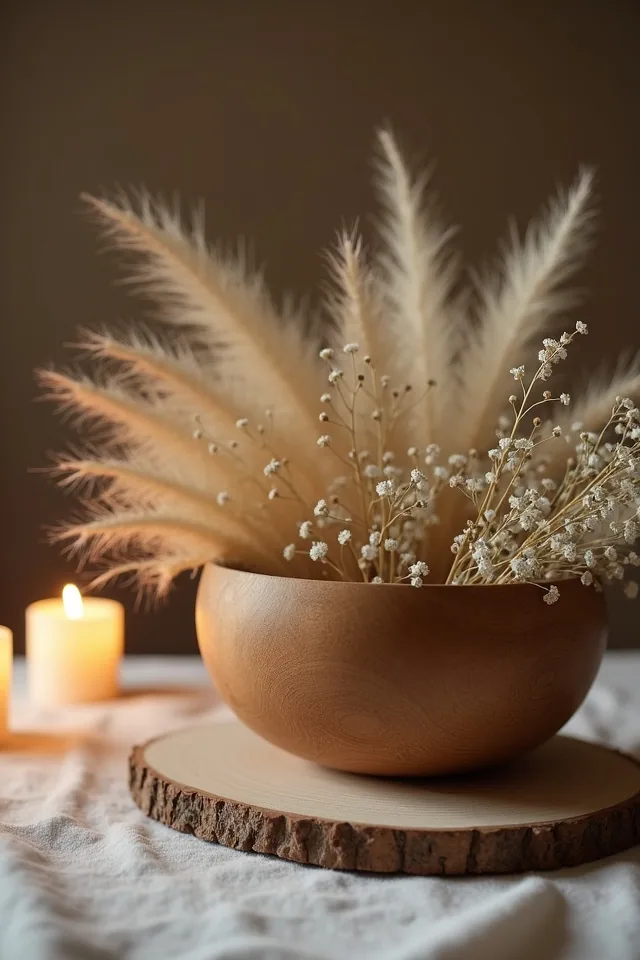
A hand-carved dough bowl in mango or acacia wood creates instant warmth without adding clutter. Fill it with natural elements — a few faux pears, dried pampas grass, or simple white pillar candles. The bowl itself becomes art. The wood's organic shape and visible grain contrast beautifully with clean modern surfaces.
- Look for bowls 18-24 inches long — big enough to make impact
- Natural wood finish always beats stained or painted
- Amazon's $25-40 range has solid hand-carved options
12. A Simple Wooden Step Stool
Even the most practical pieces deserve to be beautiful in Japandi spaces.
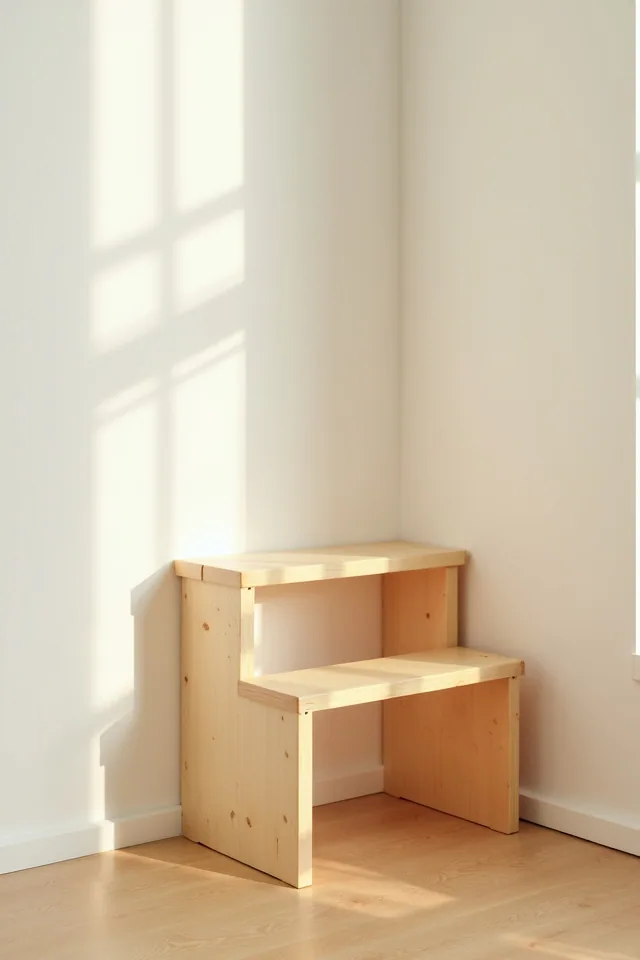
A two-step wooden stool in light ash or birch can live in your kitchen, bathroom, or closet — and it looks good enough to leave out. The clean lines and minimal joinery fit perfectly with Japandi's functional aesthetic. No paint, no cushions, just solid wood with visible grain.
Best For
Anyone tired of hiding plastic step stools in closets. This one earns its place in the corner where everyone can see it.
13. Wooden Serving Trays in Varying Sizes
Trays aren't just for serving — they're for creating visual order on open surfaces.
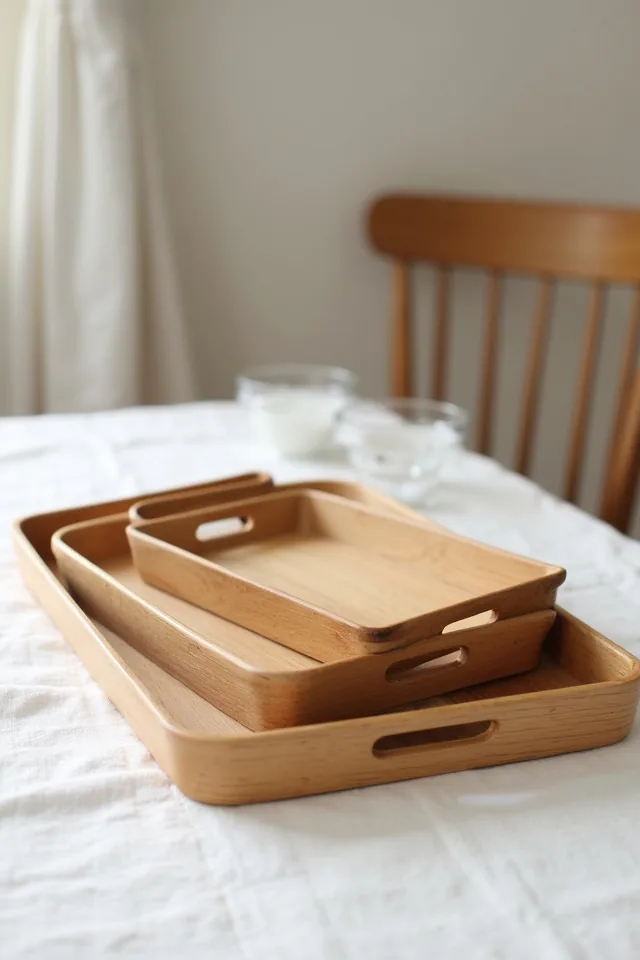
A set of wooden trays in walnut or teak (one large, one medium, one small) lets you corral items without making them look corralled. Use the large one on your coffee table to hold remotes and a candle. The medium one in the bathroom for skincare. The small one by your bed for jewelry. The wood unifies the look across rooms.
- Rectangular trays feel more Japandi than round
- Look for handles cut directly into the wood, not added hardware
- Sets of three run $40-70 and replace a dozen random containers
14. A Wooden Pendant Light Over the Dining Table
Lighting is where most people default to metal or glass — wood changes everything.
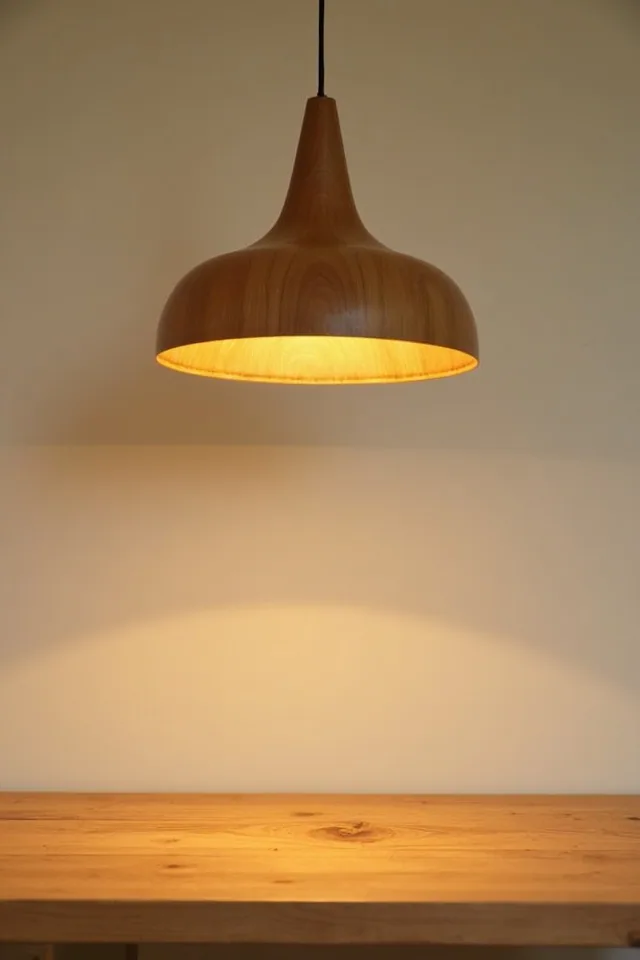
A pendant light with a wood veneer shade in maple or bamboo casts warm, diffused light that makes dinner feel like an event. The natural material softens what could be harsh overhead lighting. Look for shades with clean geometric shapes — spheres, cylinders, or simple cones. No ornate cutouts, no stain, just the wood's natural color glowing from within.
How to Style It
Hang it 30-36 inches above your table surface. Keep the bulb warm-toned (2700K) to enhance the wood's honey glow. One pendant is enough — don't cluster three unless your table is huge.
15. A Wooden Ladder Shelf in the Bathroom
Traditional bathroom storage feels heavy — this feels intentional.
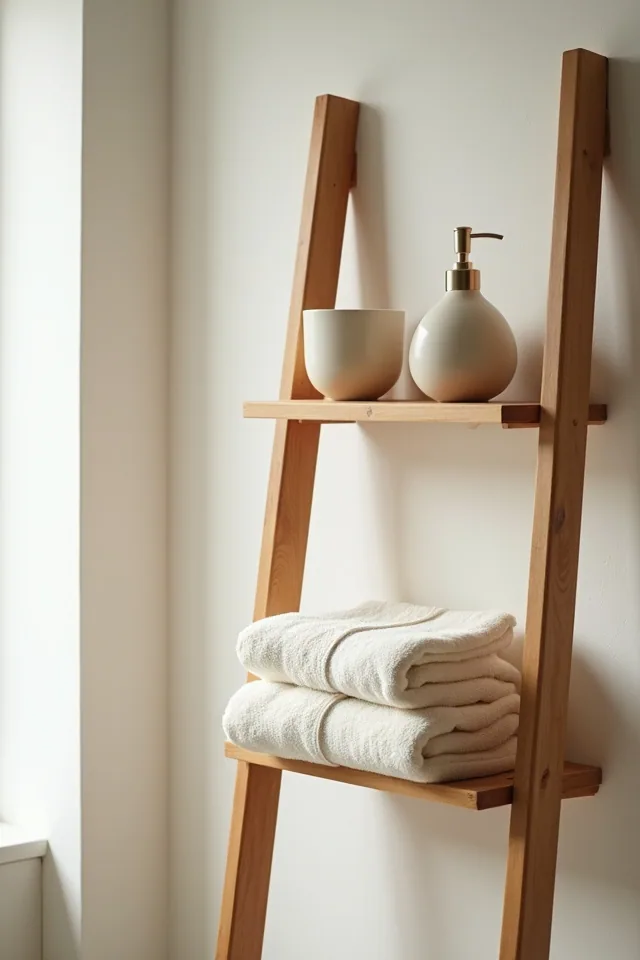
A leaning ladder shelf in light oak or ash creates open storage that doesn't close off the room visually. Roll white towels and stack them on the lower rungs. Add a single potted plant on the top. Maybe a ceramic dish for soap. The wood warms up tile and porcelain without adding bulk.
- Look for ladders with 3-4 rungs — more than that overwhelms small bathrooms
- Natural finish wood only; painted ladders lose the Japandi feel
- Budget range: $60-100 for solid wood construction
16. Wooden Drawer Organizers You Can Actually See
Even hidden spaces deserve the Japandi treatment.
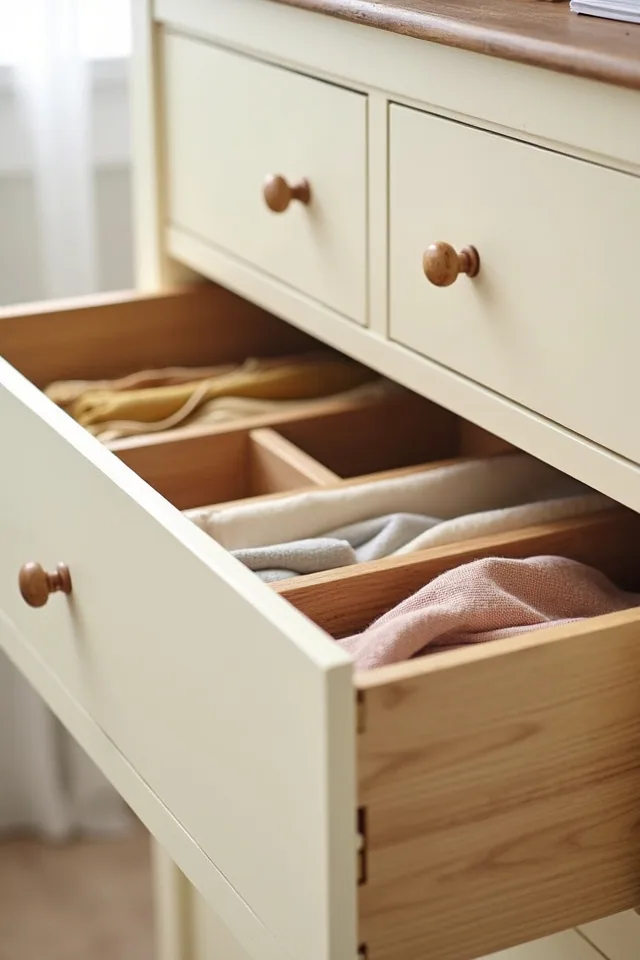
Bamboo or beech drawer dividers turn chaotic junk drawers into calm, organized systems you'll want to open. The wood feels better under your hands than plastic, and the natural color makes it easier to see what you're reaching for. Use them in kitchen drawers for utensils, bathroom drawers for makeup, desk drawers for supplies.
Why It Works
Japandi is about intentionality in every corner — not just the spaces guests see. When your drawers feel calm, your whole home feels calm.
17. A Minimalist Wooden Clock
Wall clocks usually lean decorative or industrial — wood bridges both.
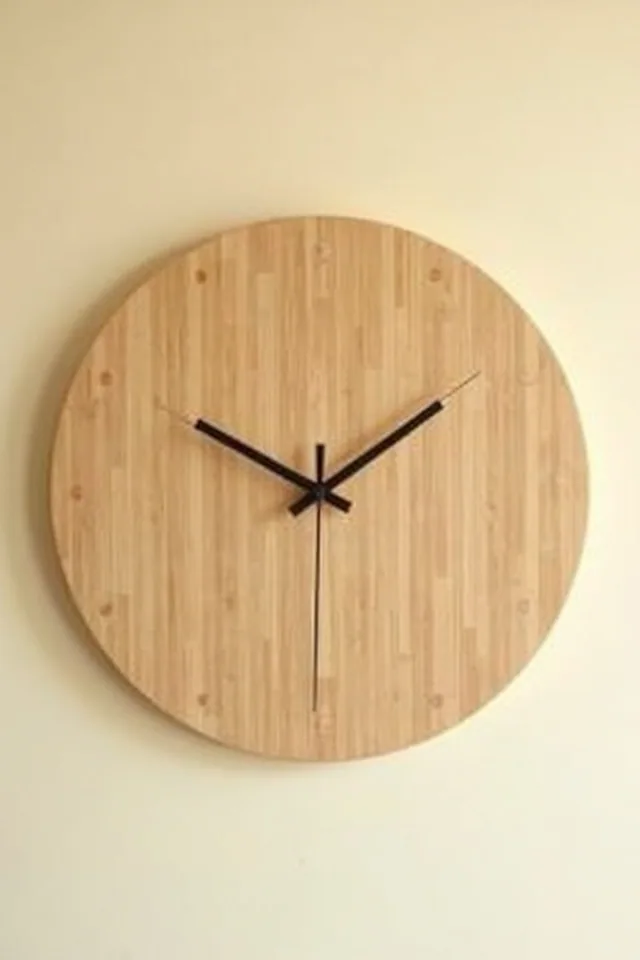
A simple wall clock with a pale wood frame and no numbers creates functional art that doesn't demand attention. The grain provides texture, the clean face provides calm. Look for designs with thin hands and a silent sweep movement — ticking defeats the entire Japandi purpose.
- Keep the diameter under 12 inches for most walls
- Maple or birch frames feel lighter than walnut
- Amazon's $25-50 range has solid options with quiet movements
18. A Wooden Tissue Box Cover
This sounds small, but tissue boxes are visual noise in otherwise calm rooms.
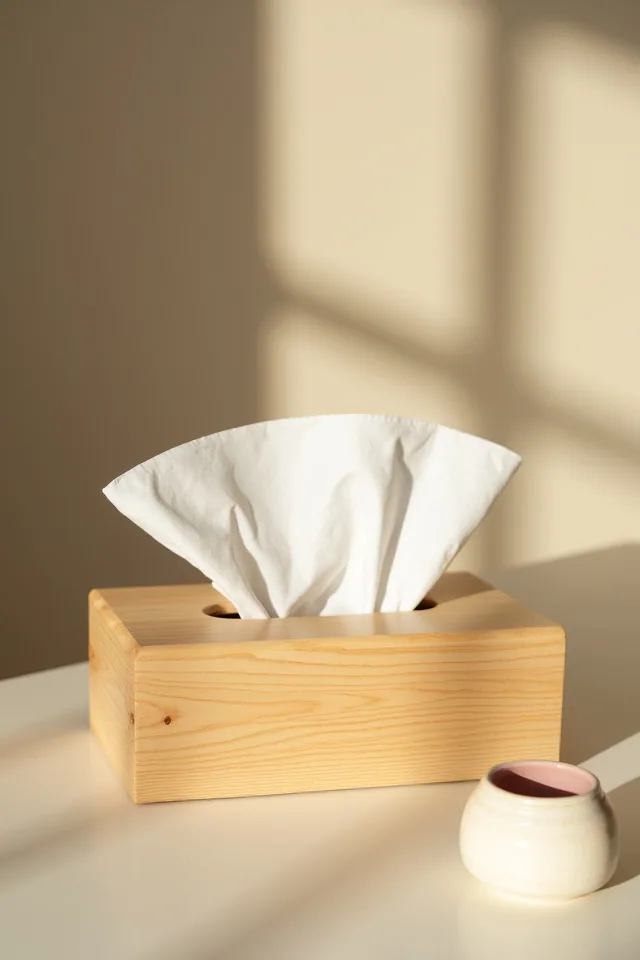
A simple wooden tissue box cover in natural oak or bamboo hides the branding while adding a touchable, organic texture to nightstands and counters. The wood finish should be matte, never glossy. It's a tiny upgrade that makes a surprisingly big difference in how finished a room feels.
Best Paired With
White ceramic trays, linen coasters, and other natural materials. Wood + plastic = instant visual conflict. Wood + ceramic + linen = Japandi perfection.
You May Also Like
19. A Wooden Plant Stand with Clean Lines
Plants are core to Japandi, but the stands matter just as much as the greenery.
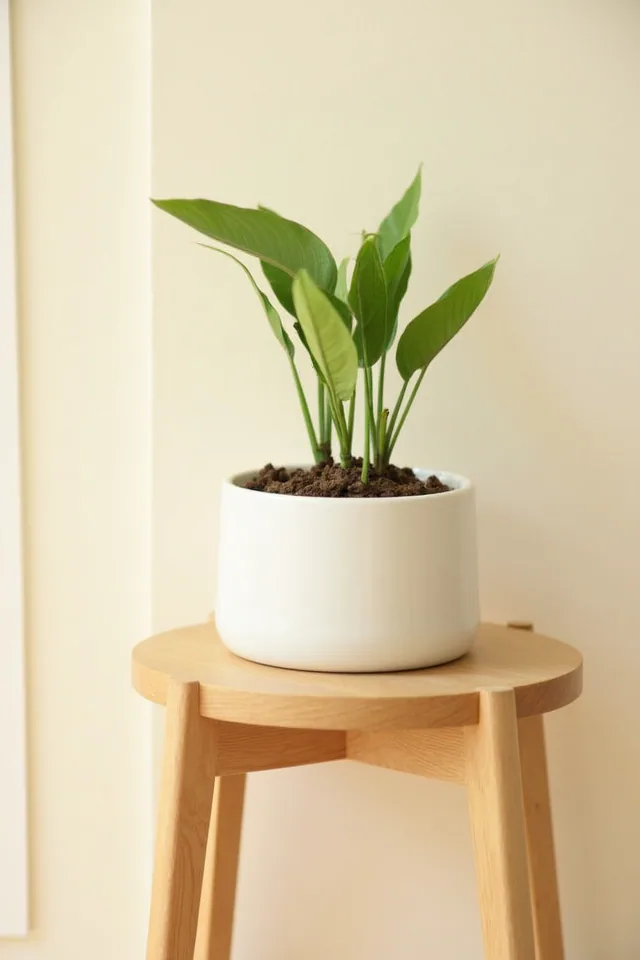
A simple plant stand in light ash or maple with straight legs and no ornamentation lets the plant be the star while the wood provides grounded support. Look for stands that hold one large pot (not tiered designs with five small ones). The height should bring the plant to eye level when you're seated — that's where the visual magic happens.
- Stands 18-24 inches tall work best in living rooms
- Pair with simple white ceramic pots, never terracotta
- Look for stands in the $30-60 range with solid joinery
20. A Set of Wooden Nesting Bowls
These do everything: serve, store, display, and look beautiful just sitting there.
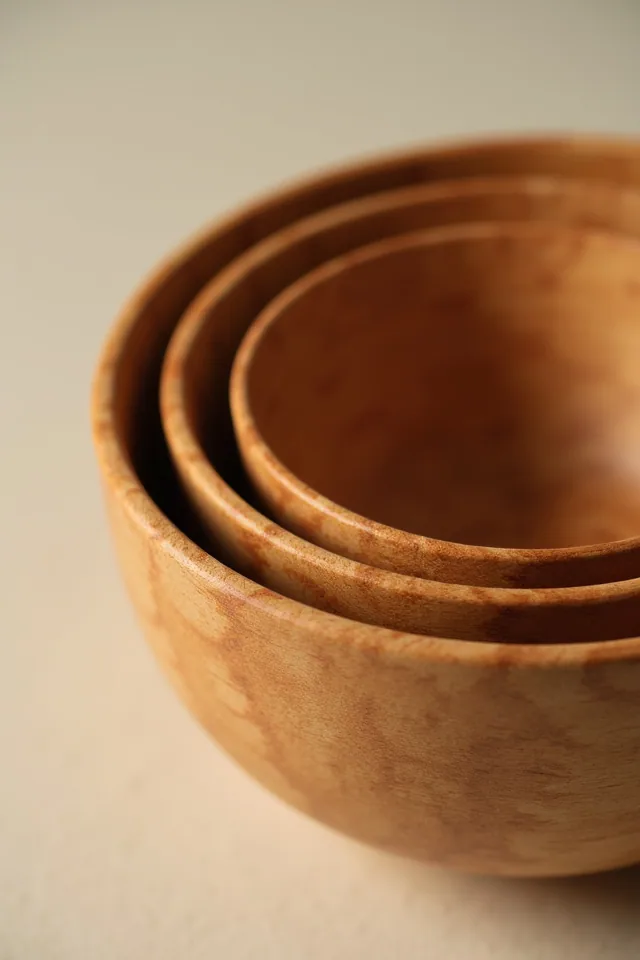
A set of three or four nesting bowls in mango or acacia wood brings organic curves and warm tones to shelves and counters. Use them for fruit, salad, snacks — or leave them empty and stacked as sculptural objects. The wood grain makes each bowl unique, which is exactly the kind of natural variation Japandi celebrates.
How to Style Them
Stack them on open kitchen shelves with the largest on bottom. Or separate them — one on the counter with fruit, one on the coffee table with remotes, one in the bedroom with jewelry. The wood ties the rooms together without matching everything exactly.
- Look for sets with varying diameters (8", 10", 12")
- Natural wood finish always beats lacquered or stained
- Sets run $35-60 and replace a dozen mismatched bowls
The Japandi look isn't about buying everything at once. It's about choosing pieces that feel right — pieces that make you stop and breathe when you walk into a room. Wood is what makes that happen. Not because it's trendy, but because it's warm, real, and quietly grounding