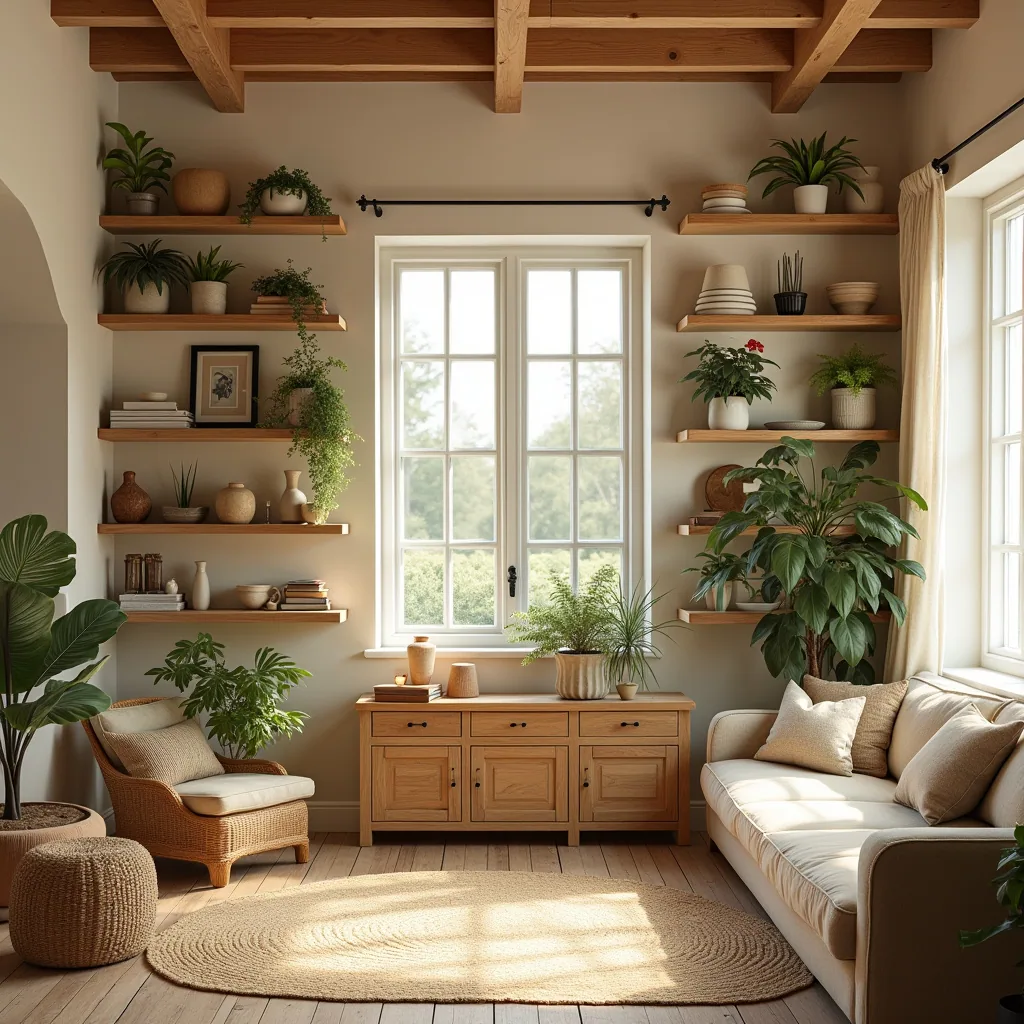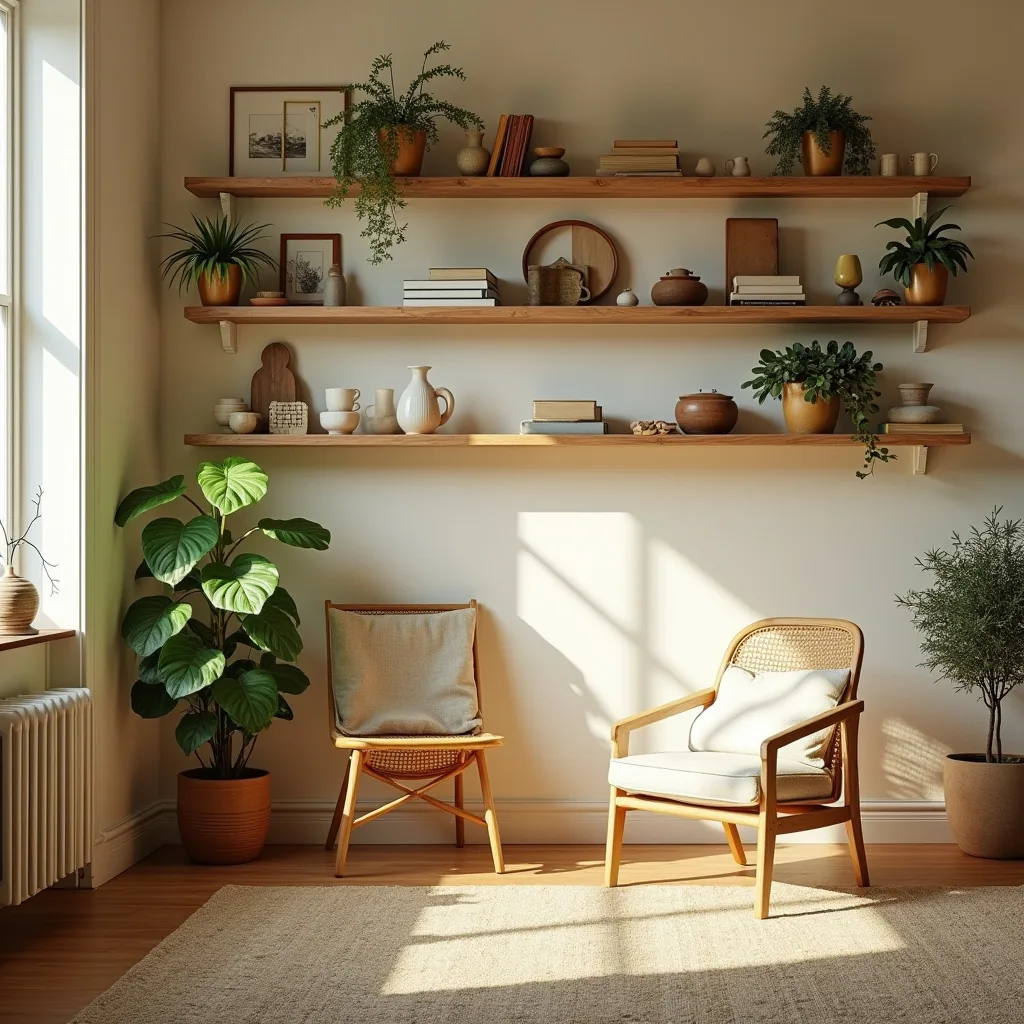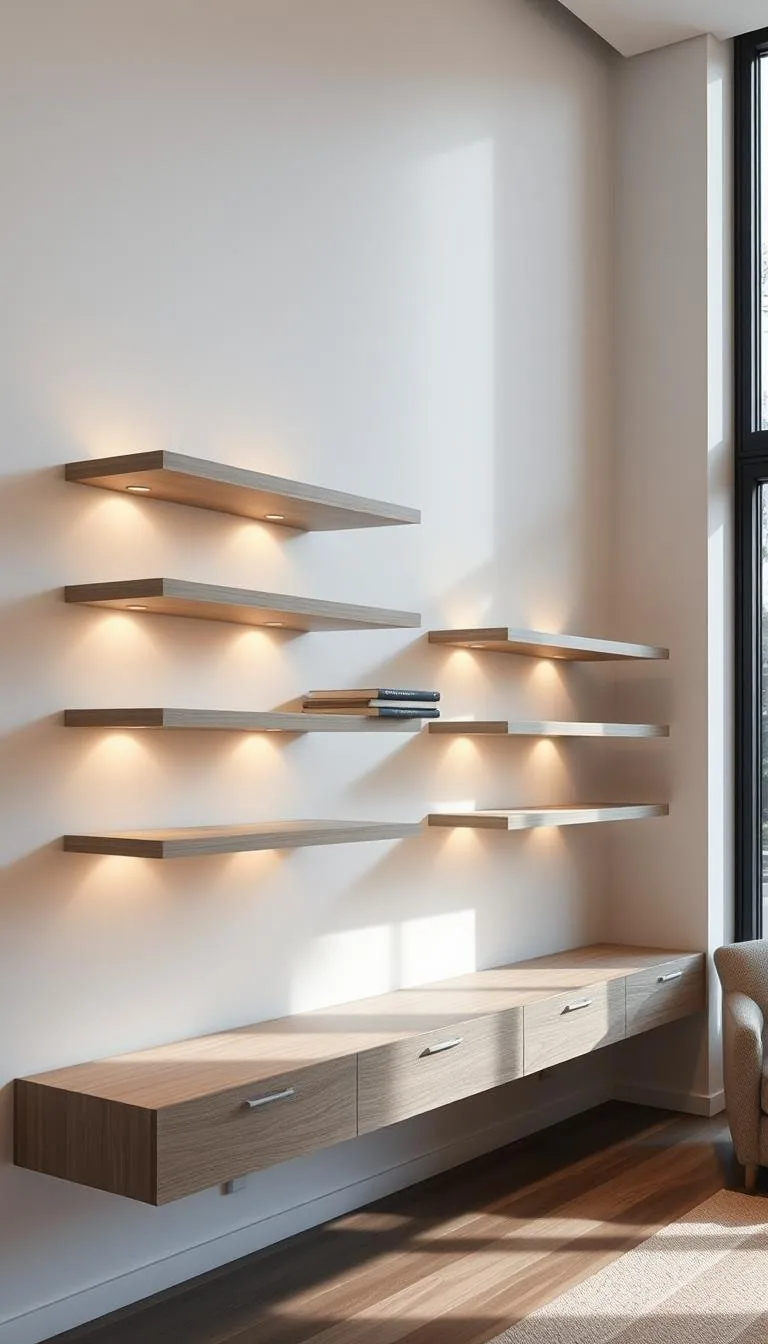
Modern Aesthetics floating cabinets mix sleek designs with minimalism. They turn spaces into airy, modern places. These pieces use clean lines and wall mounts to add elegance without cluttering rooms.
They are perfect for today's homes, combining useful storage with a light look. Each design, from matte wood to glass accents, balances beauty and use. People pick these cabinets to boost their home's style and use space wisely.
Discover how these stylish storage solutions bring both beauty and function to modern living.
What Are Floating Cabinets?
Floating cabinets mix style and usefulness, changing how we see storage. They stick to walls, making it seem like they're floating. This design, without heavy bases, fits well with Modern Aesthetics floating cabinets. It makes rooms look bigger and more open.
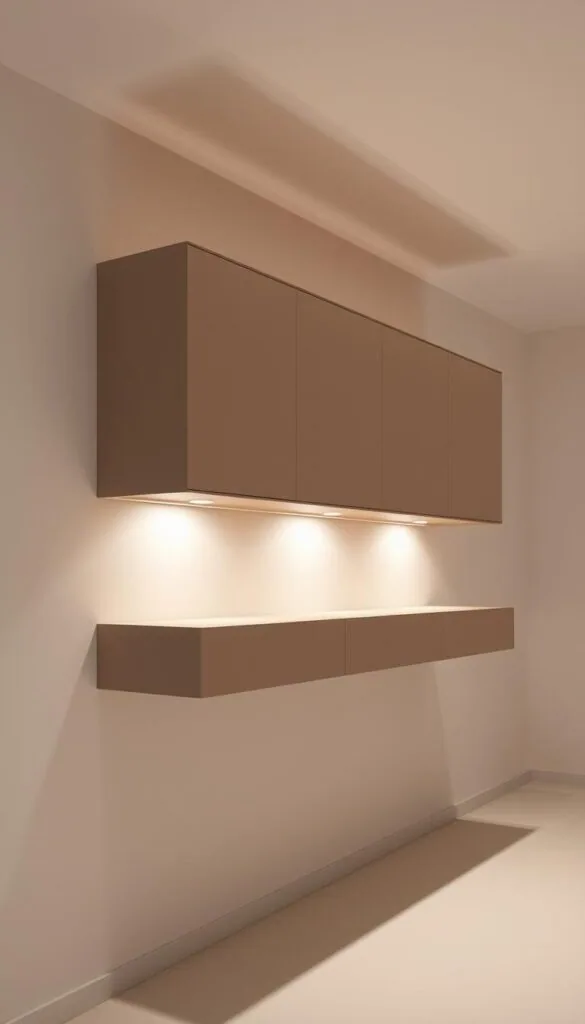
Definition and Concept
Stylish floating wall cabinets aim to reduce clutter. They don't have the usual floor base. Instead, they use hidden brackets or magnets for support. They offer:
- Customizable heights for tailored storage
- Lightweight materials like MDF or acrylic
- Seamless integration with minimalist wall-mounted cabinets
History of Floating Cabinets
These designs started in the 1950s, thanks to mid-century modernism's love for simplicity. New materials and adhesives made it possible for them to look like they're floating. Now, they come with smart features like motion-activated lights, seen in IKEA's BILLY series. The use of eco-friendly materials like bamboo veneer is also a big part of their evolution.
Benefits of Floating Cabinets in Modern Homes
Modern homes need solutions that are both stylish and practical. Floating cabinets offer just that, combining style with function. These 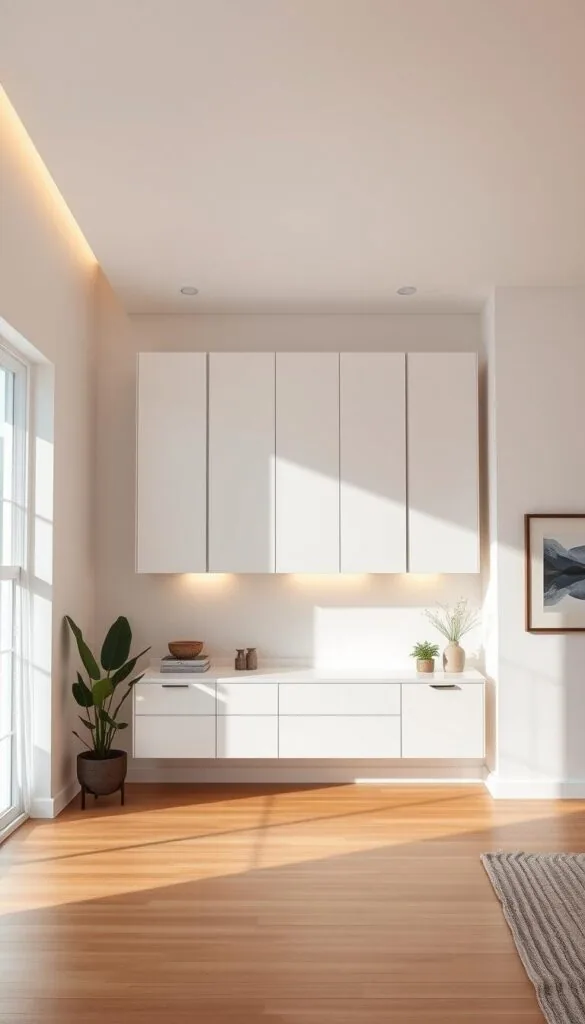
Space-Saving Advantages
Small apartments and open-plan homes love modern home decor floating cabinets. They make rooms look bigger by lifting items off the floor. Here are some key benefits:
- Maximized floor space: Cabinets floating above the ground clear up space, making rooms feel more open.
- Lightweight look: The space under the units makes rooms look bigger, ideal for small spaces.
- Customizable placement: You can install them at different heights to fit any room size.
Enhanced Aesthetics
Modern Aesthetics floating cabinets add elegance to any room. Their simple design fits well with many styles. Here are some design benefits:
- Clean lines: Their smooth surfaces and edges keep rooms looking tidy, fitting well with Scandinavian minimalism.
- Flexible styling: They look great with glass or open shelves for a modern look.
- Focal points: Floating units on accent walls make striking features in living or dining areas.
Choosing the Right Material for Floating Cabinets
Materials greatly affect the look and durability of floating shelves. Whether you want warmth or sleekness, picking the right material boosts both style and function. 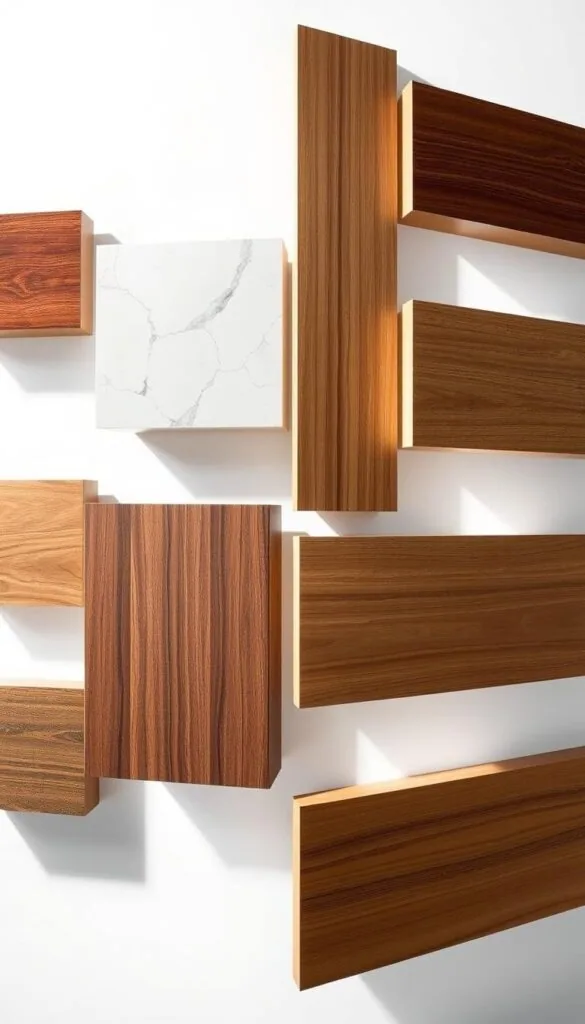
Wood Options
Wood brings natural textures and classic charm. Here are some options:
- Oak: Strong and full of grain, oak fits well in both rustic and modern homes.
- Walnut: Its dark colors add depth, making it perfect for both industrial and minimalist spaces.
- Maple: Maple's light, honey color brightens any room, great for kitchens or living areas.
- Engineered Wood: An eco-friendly choice, it's made from layers and resists warping and humidity better than solid wood.
Metal and Glass Alternatives
Metal and glass add a modern touch to open spaces. Here's how to pick:
- Aluminum/Steel: These metals are light, corrosion-resistant, and add an industrial feel to kitchens or offices.
- Clear/Frosted Glass: Glass lets in light, ideal for small bathrooms or entryways. Frosted glass also softens the look of contemporary design floating shelves.
Try mixing materials for a unique look—a walnut shelf with metal legs, or glass over metal frames. Make sure the material can hold the weight and consult experts for heavy setups. The right choice keeps your cabinetry looking good and working well for a long time.
Colors and Finishes for Floating Cabinets
Choosing the right colors and finishes for your trendy floating display shelves or modern home decor floating cabinets can change a room's feel. Let's look at how these choices affect style and use.
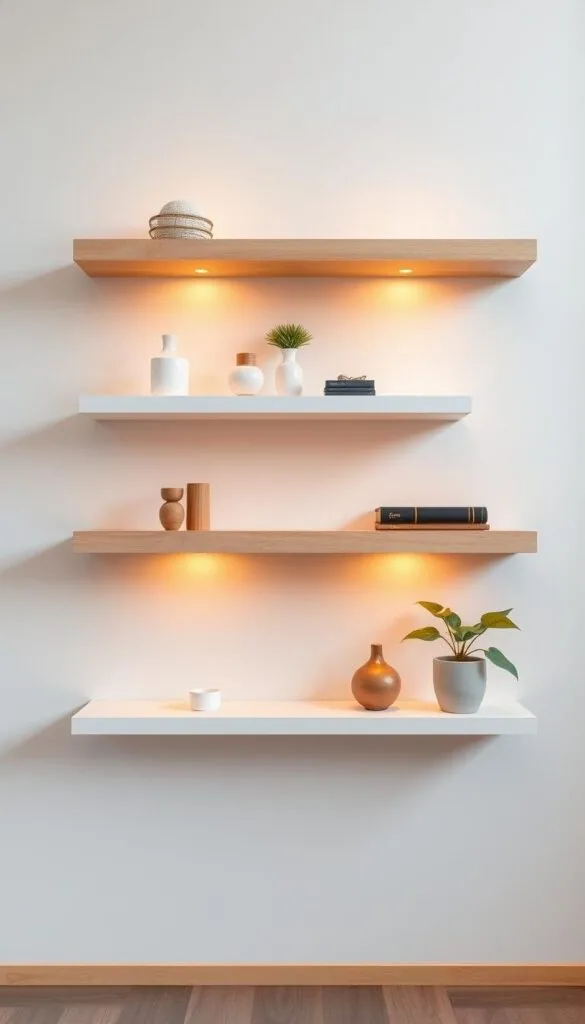
Popular Color Trends
Neutral colors like white, gray, and black are favorites for simple spaces. Bolder colors, such as deep navy or earthy greens, add excitement to walls. Contemporary design floating shelves in metallics like brass or matte black are popular for a modern look. You can also choose custom colors to match your decor, making cabinets a part of the whole look.
- Neutral bases: White and gray keep spaces airy and modern.
- Vibrant accents: Navy or green shelves create focal points.
- Custom hues: Match paint shades for seamless integration.
How Finishes Impact Design
Finishes like matte or glossy surfaces change how a piece looks and works. Matte finishes hide smudges better but show dust. Textured wood stains add warmth, while weathered finishes give a rustic feel. For busy spots, durable lacquered finishes protect against wear.
“A glossy finish on modern home decor floating cabinets reflects light, making small spaces feel brighter.”
Trying out different colors and finishes helps find the right mix of style and durability. Whether you want sleek minimalism or bold highlights, these choices make floating cabinets standout without losing their practical use.
Installation Tips for Floating Cabinets
Proper installation makes modern aesthetics floating cabinets look great and stay in place. Follow these tips for a polished finish without cutting corners.
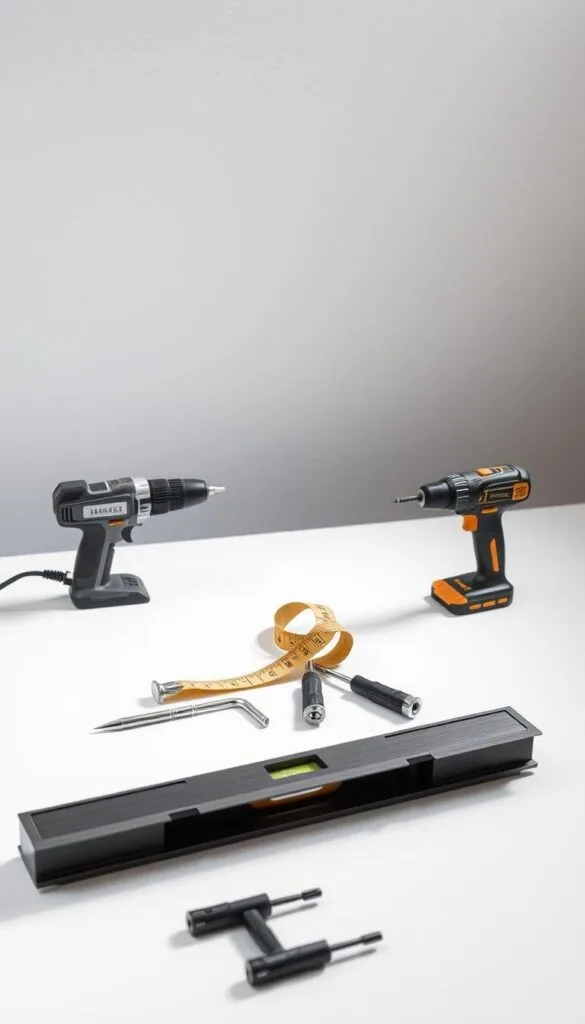
Tools Required
Begin with a solid toolkit. You'll need:
- Stud finder and level for alignment
- Drill/driver and wall anchors
- Tape measure and pencil for precise markings
- Hardware kit included with cabinets (screws, brackets)
If you're installing on non-stud surfaces, consider renting a drywall anchor kit.
Step-by-Step Guide
Here's how to install stylish floating wall cabinets:
- Plan placement: Sketch the layout on walls using tape to visualize spacing.
- Locate studs: Use a stud finder to mark secure anchor points. Avoid pipes/electrical lines.
- Mount brackets: Attach brackets to wall first, using levels to ensure horizontal alignment.
- Attach cabinets: Lift cabinets into place and secure to brackets. Tighten bolts gradually.
For minimalist wall-mounted cabinets, double-check alignment before final tightening. Always test weight capacity with a helper’s assistance.
Professional installers are recommended for heavy units or complex layouts. Always follow safety guidelines and manufacturer weight limits.
Integrating Floating Cabinets in Different Spaces
Make your home better by adding floating cabinets to each room. They fit well and add style and usefulness.
“Floating systems let spaces breathe while keeping essentials within reach,” says interior designer Clara Torres. “They’re the ultimate multitaskers.”
Living Room Ideas
Swap out big entertainment centers for sleek floating storage units. Place them at 36-42 inches for easy reach. For art fans, trendy floating display shelves become highlights when filled with decor.
Match them with mid-century modern furniture or simple rugs for a unified look.
Kitchen Applications
In kitchens, chic floating shelving systems clear up space. Put them above islands for mugs or spices. Use tempered glass for durability.
Choose brushed nickel hardware and matte finishes to match modern appliances. Make sure they can hold the weight of your items, usually 25-50 lbs per shelf.
Bathroom Fitouts
Bathrooms get more room with floating vanities and trendy floating display shelves for towels or candles. Use materials like lacquered MDF that resist moisture. Mount shelves 60-70 inches high to avoid steam damage near showers.
Pair them with subway tile or marble for a spa-like feel.
Floating Cabinets vs. Traditional Cabinets
Thinking about modern aesthetics floating cabinets or traditional floor models? Let's look at their differences to help you decide.
Pros and Cons
Minimalist wall-mounted cabinets have clean lines and save space. They make floors look open but need strong mounting for heavy items. Traditional cabinets give solid storage and are easy to set up but can take over small rooms. Here's a quick comparison:
- Modern Floating Cabinets: Bring a light feel with luxury floating cabinetry but need a pro for stable installation.
- Traditional Cabinets: Provide lots of storage and are simple to put together but might look old in modern spaces.
Cost Comparison
Luxury floating cabinetry starts at $200–$500 per foot, depending on materials like glass or solid wood. Traditional cabinets cost $100–$300 per foot, using common woods or laminates. Floating designs have hidden costs for hardware and pro labor, while traditional cabinets save on installation but might not sell well later.
Make your choice based on your style: modern aesthetics floating cabinets are for tech lovers wanting a visual boost. Traditional designs are for those needing practical storage. Pick what fits your room and lifestyle.
Enhancing Functionality with Floating Cabinets
Make the most of your space with stylish floating wall cabinets. They mix usefulness with elegance. These sleek floating storage units are more than shelves. They're customizable organizers for your lifestyle.
Smart Storage Solutions
- Adjustable shelves let you configure space for books, decor, or gadgets.
- Specialized compartments keep items like kitchen spices or bathroom toiletries tidy.
- Drawer dividers and custom inserts adapt to unique storage needs without sacrificing style.
Design Meets Practicality
Modern home decor floating cabinets hide clutter while showing off clean lines. Features like hidden hardware and soft-close drawers keep mechanics out of sight. Integrated LED lighting under shelves adds ambiance without bulky fixtures.
“The best storage isn’t seen—it’s felt. Good design solves problems you didn’t know you had.”
These cabinets can store media equipment or cosmetics, turning rooms into functional art. Choose sliding doors for narrow spaces or open shelves to display favorite items. Every detail, from corner placement to material choice, should reflect both purpose and personal taste.
Maintenance Tips for Floating Cabinets
Keeping Modern Aesthetics floating cabinets in top shape is easy. Just follow a few simple steps. This way, they stay both functional and stylish. Here's how to keep them looking great and lasting longer.
- Use microfiber cloths or soft sponges for daily dusting. Avoid abrasive materials.
- For greasy kitchen surfaces, mix mild dish soap with water. Test cleaner on a small area first.
- Stubborn stains on contemporary design floating shelves? Apply baking soda paste for non-porous surfaces.
Protecting Finishes:
Wood finishes need special care. Apply beeswax or mineral oil every 6 months to prevent drying. Keep damp items off luxury floating cabinetry—use coasters under drinks. UV rays fade wood over time, so position them away from direct sunlight.
For metal or glass, wipe spills immediately. Use silicone-based sprays on stainless steel to avoid fingerprints. Avoid placing heavy objects that could warp shelves. Regular checks for loose brackets ensure long-term stability.
Future Trends in Floating Cabinet Design
Design is always changing, and floating cabinets are leading the way. They're getting sleeker and smarter. We're seeing more refined minimalism and tech features.
Minimalism and Beyond
Now, trendy floating shelves are super slim and have bold shapes. Brands like Muuto and IKEA mix wood with glass or metal. This adds depth and texture.
Sustainability is also big, with eco-friendly materials like reclaimed wood becoming popular. These changes keep spaces looking modern while sticking to simple designs.
Technology Integration
Chic floating shelves now come with smart tech. You can find LED lights from Philips Hue or wireless charging pads. Motorized parts and voice control from Sonos make life easier without losing style.
Experts say tech-integrated cabinetry will grow by 23% by 2025. Floating shelves are becoming more than just storage. They're dynamic spaces that change with our lives. Whether it's about being green or high-tech, these trends offer solutions that last.