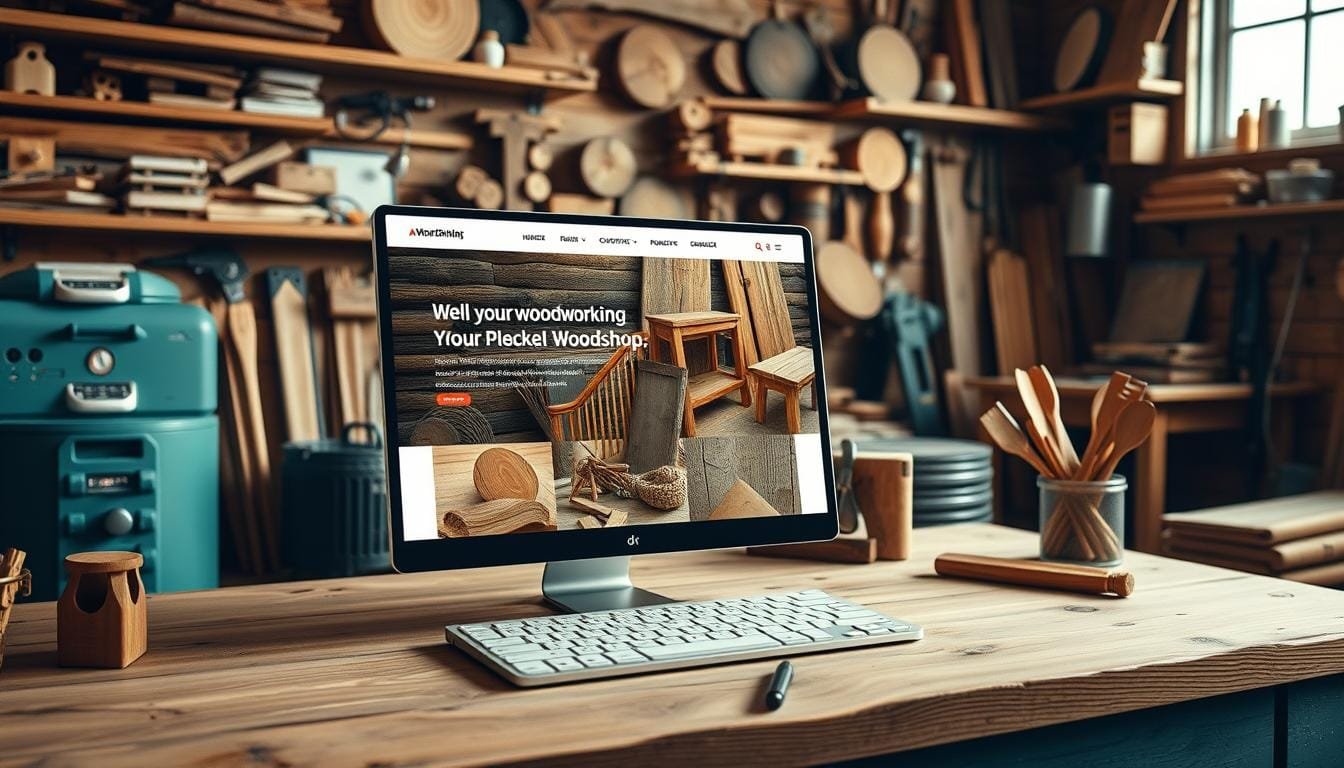
Welcome to our guide on building a successful woodworking website. Here, you can connect with the woodworking community and share your passion. We'll show you how to create a thriving online presence for your woodworking business.
A well-designed woodworking website can help you reach more people. It can also establish your brand and showcase your projects. This guide is for both seasoned woodworkers and beginners, giving you the tools and knowledge to succeed.
Our aim is to help you build a successful woodworking website. It should attract and engage with the woodworking community. We want to provide valuable resources and information on woodworking projects and techniques.
Introduction to Building a Woodworking Website
In the following sections, we'll cover important topics. These include understanding your audience, choosing the right domain name, and designing a user-friendly website layout. All these are key to building a successful woodworking website.
Key Takeaways
- Building a successful woodworking website requires a well-designed layout and user-friendly interface
- Understanding your audience is key to creating content that resonates with the woodworking community
- Choosing the right domain name can help establish your brand and attract more visitors to your woodworking website
- A successful woodworking website should provide valuable resources and information on woodworking projects and techniques
- Engaging with the woodworking community is essential to building a loyal following and driving traffic to your website
- Staying up-to-date with the latest trends and technologies in the woodworking industry can help you stay ahead of the competition
Understanding Your Audience for Woodworking Websites
To make a woodworking website successful, knowing your audience is key. You need to find your niche and see what your audience likes. This way, you can make content that speaks to them and stands out.
Think about what woodworking projects your audience wants to do. Are they into making furniture or carving wood? Also, what's their skill level? Knowing this helps you tailor your content.
Sharing woodworking tutorials and woodworking tips and tricks can draw in your audience. You can also write about woodworking safety or tool reviews. This meets their interests and makes your site a valuable resource.
- Demographics: age, location, and job
- Interests: types of woodworking projects, skill level, and topics they like
- Behavior: how they use your website, social media, and other online places
Knowing these aspects helps you make a website that adds value. It makes your brand a trusted name in woodworking. This can increase traffic, engagement, and even your website's earnings.
Choosing the Right Domain Name for Your Website
Choosing the right domain name is key for a successful woodworking website. Your domain name is the first thing visitors see. It can make or break your online presence. A good domain name helps you stand out and makes it easier for people to find you.
A good domain name should be short, simple, and easy to remember. It should also match your content and include keywords for woodworking. For example, "woodworkingprojects.com" or "woodworkingtools.net" are great for a woodworking website.
- Keep it short and simple
- Use relevant keywords
- Avoid numbers and hyphens
- Make it easy to spell and remember
Tips for Crafting a Memorable Domain
Choose a domain name that's easy to remember. Also, think about SEO when picking your domain. Your domain name affects your website's search engine ranking. So, pick a name with relevant keywords for better search engine visibility.
Importance of SEO in Domain Selection
By picking a memorable and SEO-friendly domain name, your website will stand out. Keep your domain name short, simple, and relevant. Include keywords that people use when searching for woodworking tools or information.
Designing a User-Friendly Website Layout
Creating a woodworking website needs a layout that's easy to use. A good layout helps visitors find what they need. It's smart to include woodworking techniques and DIY woodworking plans to make it interesting and useful.
📌 Recommendation:
"To make this process simple, I highly recommend using Groove.cm. It offers an intuitive drag-and-drop website builder, allowing you to design a professional-looking site for your woodworking business without needing coding skills. Plus, its built-in marketing tools help you attract and engage visitors effortlessly."
A clean design is key for a good user experience. It keeps things simple and makes your content easy to find. Use a simple menu, high-quality images, and a design that works on all devices. This way, everyone can use your website, no matter their device or browser.
Essential Pages Every Woodworking Website Needs
- Homepage: Introduce your website and provide an overview of your content
- About page: Share your story and provide information about your expertise in woodworking
- Contact page: Make it easy for visitors to get in touch with you

The Role of a Clean Design in User Experience
A clean design makes your website better by reducing clutter. Use white space, choose a clear font, and add images to make your DIY woodworking plans stand out. This way, your website will look good and be easy to use.
| Design Element | Importance in User Experience |
|---|---|
| Simple Navigation | Helps visitors find what they're looking for quickly and easily |
| High-Quality Images | Illustrates woodworking techniques and DIY woodworking plans, making content more engaging |
| Responsive Design | Ensures website is accessible on different devices and screen sizes |
Selecting the Best Web Hosting Service
Creating a successful woodworking website starts with the right web hosting service. A good web host keeps your site up and running smoothly. This is key for drawing in and keeping a woodworking community. To pick the best, look at several important features.
📌 Recommendation:
"Instead of juggling multiple hosting services, Groove.cm provides an all-in-one platform with reliable hosting, website creation, and e-commerce features. This means you won’t need to worry about separate hosting providers, domain setup, or speed optimization—everything is seamlessly integrated."
Key Features to Look for in Web Hosting
Look for storage space, bandwidth, and customer support in a web host. Also, consider security and any extra features like email hosting or e-commerce tools. Here are some key points to think about:
- Uptime and speed
- Security and backup options
- Customer support and reliability
- Scalability and flexibility
Comparing Popular Web Hosting Providers
After figuring out what you need, compare popular hosts like Bluehost, HostGator, and SiteGround. Look at prices, features, and what others say. By doing your homework, you can find a host that fits your budget and needs. This will help you create a great woodworking website for your woodworking community.
| Web Hosting Provider | Pricing | Features |
|---|---|---|
| Bluehost | $2.95/month | Free domain, SSL certificate, 24/7 support |
| HostGator | $2.75/month | Free domain, SSL certificate, 24/7 support |
| SiteGround | $3.95/month | Free domain, SSL certificate, 24/7 support |
Creating Engaging Content for Woodworking Enthuisiasts
Woodworking fans are always eager for new projects. To keep them coming back, share woodworking tutorials and woodworking tips and tricks. These can help them improve and finish projects well.
Consider writing step-by-step guides, project plans, and product reviews. Be honest and detailed in your reviews. High-quality images and videos can make your content more engaging.
📌 Recommendation:
"With Groove.cm's blogging and content management system, you can easily create and manage blog posts, woodworking tutorials, and project showcases. It also provides SEO-friendly features that help your content rank higher in search results and attract more organic traffic."
Blog Ideas for Woodworking Projects
- Step-by-step guides for beginner projects
- Advanced project plans for experienced woodworkers
- Product reviews and comparisons
Tips for Writing Product Reviews
When reviewing products, give detailed descriptions and comparisons. Include high-quality images. This helps readers make better choices. By sharing woodworking tutorials and woodworking tips and tricks, you'll become a trusted expert.
Incorporating Visuals in Your Woodworking Website
Visuals are key to a great user experience on a woodworking site. High-quality images and videos make your woodworking techniques and DIY plans more engaging. They bring your work to life in a way that words can't.
Importance of High-Quality Images
Good images are vital for showing off your woodworking projects and products. They show the quality of your work and give a clear view of the finished piece. Use images with good lighting, sharp focus, and a clean background to make your projects pop.
📌 Recommendation:
"Groove.cm makes it easy to upload and display high-quality images with its media-rich website builder. Plus, you can embed videos to create step-by-step woodworking tutorials directly on your website, enhancing engagement and building trust with your audience."
Utilizing Videos to Enhance Engagement
Videos are great for showing off your woodworking skills, giving tutorials, and building trust. They offer a personal touch and help your audience feel connected. Make videos that show your DIY plans and guide viewers through each step.
Some benefits of using videos on your site include:
- Increased engagement and interaction with your audience
- Improved understanding of complex woodworking techniques
- Enhanced credibility and trust with your audience
By adding high-quality images and videos to your site, you create a more engaging experience. This can boost engagement, trust, and credibility. It also helps drive more sales and revenue for your business.
| Visual Element | Benefits |
|---|---|
| High-Quality Images | Showcase quality of work, provide detailed view of finished product |
| Videos | Demonstrate techniques, provide tutorials, build trust and credibility |
Implementing SEO Strategies for Visibility
To boost your woodworking website's visibility, you need to use smart SEO strategies. First, understand who your audience is and what they search for. Use the right keywords to make your site more visible in search results.
📌 Recommendation:
"One advantage of using Groove.cm is its built-in SEO optimization tools. You can easily add keywords, meta descriptions, and alt tags to your images, ensuring your website ranks well on Google and attracts more visitors."
Your website should be easy to navigate, with each page focused on specific keywords. Use header tags, meta descriptions, and title tags to help search engines understand your site. Also, create high-quality content that adds value to your audience. This builds trust and authority in the woodworking world.
- Conducting keyword research to identify relevant topics and phrases
- Optimizing images and videos to reduce page load times
- Using internal linking to help users and search engines navigate your site
By following these tips and creating a detailed SEO plan, you can make your woodworking website more visible. This will attract more visitors who are interested in woodworking tools and related content.
Building a Community Around Your Woodworking Website
To build a community around your woodworking site, you need to engage and connect with your audience. Use social media to make a personal bond with them. A strong online presence helps grow your brand and attract others who love woodworking.
Being part of a woodworking community offers endless woodworking inspiration. It's great for both newbies and seasoned woodworkers. Sharing projects and tips keeps everyone motivated and learning from each other.
Integrating Social Media Platforms
Platforms like Instagram, Facebook, and Twitter are perfect for sharing updates and behind-the-scenes peeks. They keep your followers excited about your new projects and products.
Creating a Newsletter for Subscribers
A newsletter is a great way to share special content and deals with your subscribers. It keeps them in the loop about your latest work and can spark woodworking inspiration in your community.
Monetizing Your Woodworking Website Effectively
To make money and keep your website alive, think about different ways to make money. Selling digital products like woodworking tutorials, eBooks, and plans is a good idea. These can bring in money without much work and show you know a lot about woodworking.
📌 Recommendation:
"With Groove.cm’s eCommerce and sales funnel tools, you can sell your digital woodworking guides, courses, or physical products seamlessly. Its one-click checkout system, secure payment gateways, and automated follow-ups help you maximize sales and grow your business effortlessly."
Woodworking fans might like woodworking tips and tricks guides, video tutorials, and plans for projects. You can also give special content to your most loyal followers or buyers.
Another way to make money is by joining affiliate programs that fit your niche. By sharing products or services, you can get money for each sale or referral. This works well when you have great content, like woodworking tutorials and guides.

- Increased revenue streams
- Establishing authority and expertise in the niche
- Enhanced user engagement and loyalty
- Opportunities for partnerships and collaborations
By using these methods on your woodworking website, you can make a steady income. This benefits you and your followers.
| Monetization Strategy | Benefits |
|---|---|
| Selling digital products | Passive income, authority and expertise |
| Affiliate marketing | Commissions on sales, partnerships and collaborations |
Tracking Website Performance and Analytics
To make your woodworking website a success, tracking its performance is key. You need to watch traffic, engagement, and other important metrics. This helps you understand your audience and make smart decisions. Tools like Google Analytics offer insights into how users behave and who they are.
📌 Recommendation:
"Groove.cm offers built-in analytics and tracking tools to monitor your website traffic, conversions, and customer behavior. Instead of relying on third-party tools, you can get real-time insights and adjust your marketing strategies accordingly."
By looking at your website's performance, you can spot areas to improve. You can then tweak your content to better meet your woodworking community's needs. For example, if many visitors search for woodworking plans, you can make more content about that.
- Page views and unique visitors
- Bounce rate and average session duration
- Top referral sources and social media platforms
Keeping an eye on these metrics helps you improve your marketing. This makes your website more engaging for your woodworking community. It can also bring more visitors to your site and boost your online presence.
Tracking your website's performance and analytics is vital. It helps create a woodworking website that truly connects with your audience. And it provides value to your woodworking community.
| Metric | Description |
|---|---|
| Page views | The total number of pages viewed on your website |
| Unique visitors | The number of individual users who visit your website |
| Bounce rate | The percentage of users who leave your website without taking further action |
Maintaining and Updating Your Woodworking Website
Keeping your woodworking website fresh is key to keeping your audience interested. Add new blog posts, project tutorials, and product reviews regularly. This shows your expertise and adds value to your readers.
Stay current with woodworking techniques and trends. Share news about new tools, materials, and designs. This makes your site a go-to for woodworking enthusiasts. By always updating your content, you'll keep your audience coming back and show you're a true expert.
FAQ
What are the essential pages every woodworking website needs?
Your website should have a homepage, an about page, and a contact page. These pages help visitors understand your business and how to reach you.
How important is a clean website design for user experience?
A clean design is key for a good user experience. It should make it easy for visitors to find what they need.
What key features should I look for when selecting a web hosting service?
Look for storage space, bandwidth, and customer support. Also, consider uptime, speed, and security. Check for extra features like email hosting or e-commerce integration.
How can I create engaging content for my woodworking website?
Create content like tutorials, project guides, and product reviews. Focus on being informative and helpful to your audience.
Why is incorporating visuals important for a woodworking website?
High-quality images and videos enhance engagement. They showcase your projects and products, and can demonstrate techniques.
How can I implement effective SEO strategies for my woodworking website?
Use keyword research, optimize title tags, meta descriptions, and header tags. Also, focus on page speed, mobile responsiveness, and XML sitemaps.
What are some ways to build a community around my woodworking website?
Use social media to reach more people. Create a newsletter for exclusive content and updates.
How can I effectively monetize my woodworking website?
Explore affiliate marketing and sell digital products like eBooks and videos. This can provide passive income and boost your authority.
What tools can I use to track the performance and analytics of my woodworking website?
Google Analytics is great for tracking traffic and engagement. Use this data to improve your content and marketing.
Why is it important to regularly update and maintain my woodworking website?
Regular updates keep your audience engaged and attract new visitors. Staying current with trends also boosts your authority.