Turning a child's room into a stylish and useful space is easy. This guide gives you practical tips for designing a kids room. It balances fun and comfort, with ideas for colors and storage that grow with your child.
Whether you're starting from scratch or updating, this guide has you covered. It talks about themes, colors, and furniture that's both stylish and practical. Each idea aims to create a space that inspires creativity and fits well with your home.
Choosing a Theme for Your Kids Room
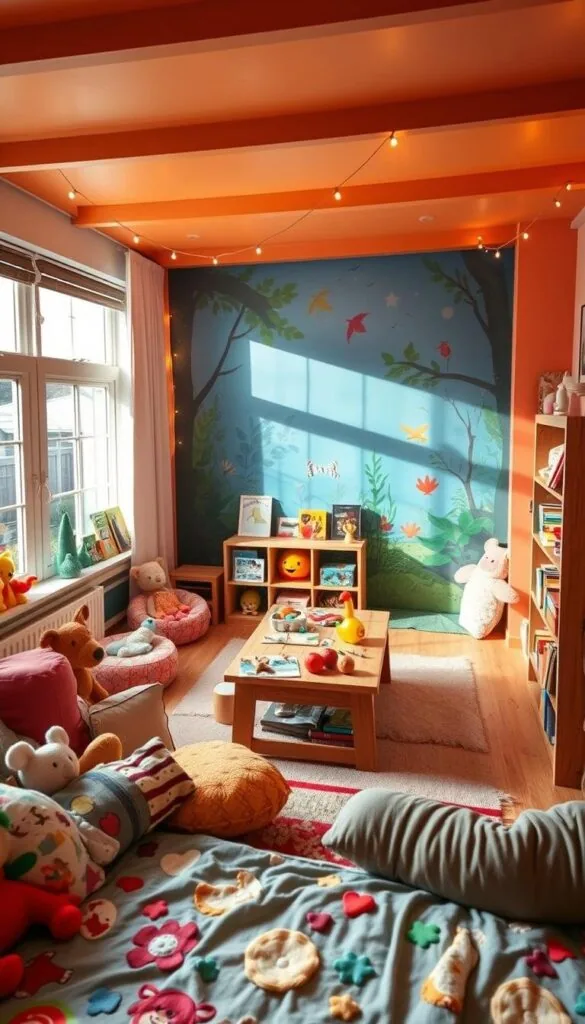
Choosing a theme is the first step to making a fun and useful space. Themes like space, oceans, or fairy tales make kids excited about their room. Decorating ideas should show their personality and last a long time. Start by seeing what your child loves most—their hobbies, toys, or stories.
Popular Kids Room Themes
- Space exploration with planets and rocket posters
- Underwater adventures featuring coral and fish motifs
- Fairy tales with castles or magical creatures
- Sports themes using team logos or athletic gear displays
For boys, themes like dinosaurs or superheroes are favorites. Girls often like unicorns or ballet. But, feel free to mix themes to show your creativity.
How to Blend Interests into Decor
Use neutral walls and furniture and add removable stickers or bedding. A sports fan might have a rocket desk with soccer posters. Use storage bins with their favorite characters to keep things tidy. Letting kids pick decor makes the room truly theirs.
Neutral colors allow themes to change over time. A galaxy mural can turn into a superhero theme by swapping bedding and decor. The aim is a room that grows with your child’s dreams.
Color Schemes That Inspire Creativity
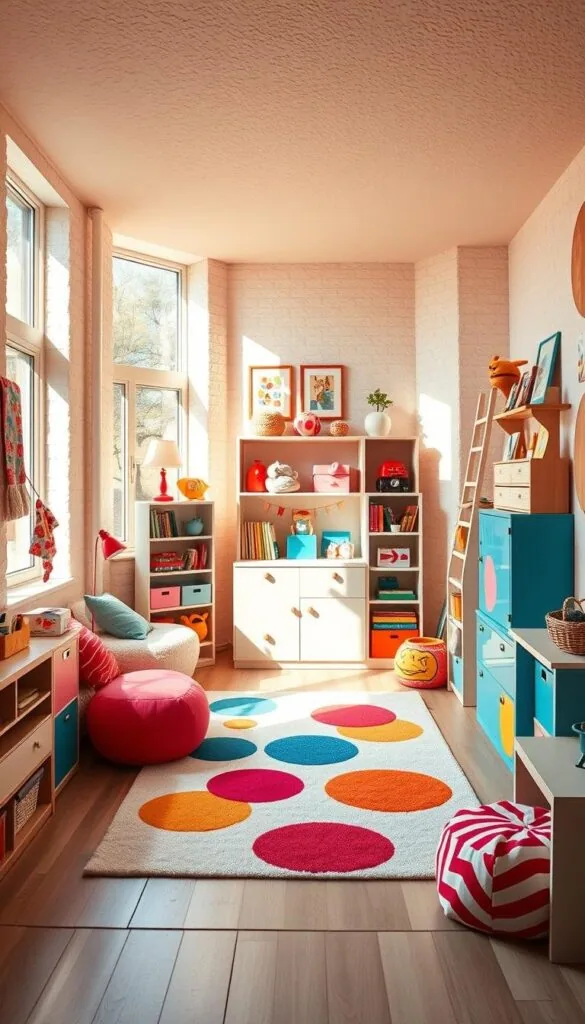
Colors greatly affect how kids use their space. Bright colors like coral or sky blue make play areas lively. Soft pastels, such as blush pink or mint, help create quiet spots for rest.
Follow these tips to choose colors that grow with your child. This way, their room can change as they do.
Bright Colors vs. Pastels
- Bold hues like sunshine yellow or royal blue spark imagination. They're great for areas where kids play.
- Pastel shades, like blush pink or mint, help kids focus and relax. They're perfect for reading or bedtime areas.
- Try mixing both: paint one wall bright for contrast in a room mostly painted in pastels.
Tips for Choosing a Color Palette
Begin with neutral walls for easy updates. Add boldness with bedding or curtains for quick decorating changes. Use removable paint samples to test colors before committing.
Involve your child in choosing colors. Let them pick accent colors to encourage creativity and ownership.
Neutral walls offer flexibility as your child's interests evolve. A navy accent wall with white keeps the room timeless. It also allows for easy changes through rotating art and decor.
Add texture and pattern with pillows or rugs. This brings visual interest without sticking to one color scheme.
Functional Furniture for Small Spaces
Maximizing space in a children's bedroom starts with choosing multifunctional kids furniture. Every piece should work harder to create a functional yet stylish kids room. Compact solutions like loft beds and space-saving desks turn tight spaces into organized zones.
Convertible Beds and Desks
Loft beds rise to the challenge, freeing floor space for play. Pair them with desks underneath or foldable workstations that disappear when not in use. Trundle beds add guest sleeping space without bulk. Look for desks that adjust in height as your child grows—like the FlexiGrowth Adjustable Desk—to avoid replacing furniture too soon.
Storage Solutions That Save Space
- Beds with built-in drawers or under-bed bins
- Ottomans hiding toy storage
- Wall-mounted shelves that double as room dividers
Modular storage systems let you reconfigure setups as needs shift. A crib that converts into a toddler bed? It’s a must-have for long-term value. Even small details matter—like over-the-door hooks for backpacks—keep clutter at bay in any children's bedroom.
“Investing in adaptable furniture saves money and space long-term.”
Wall Decor Ideas to Spark Imagination
Walls are more than just backgrounds. They're places where creativity can bloom. Use decorating ideas for kids room that mix art and fun. Every wall can become a source of joy and learning.
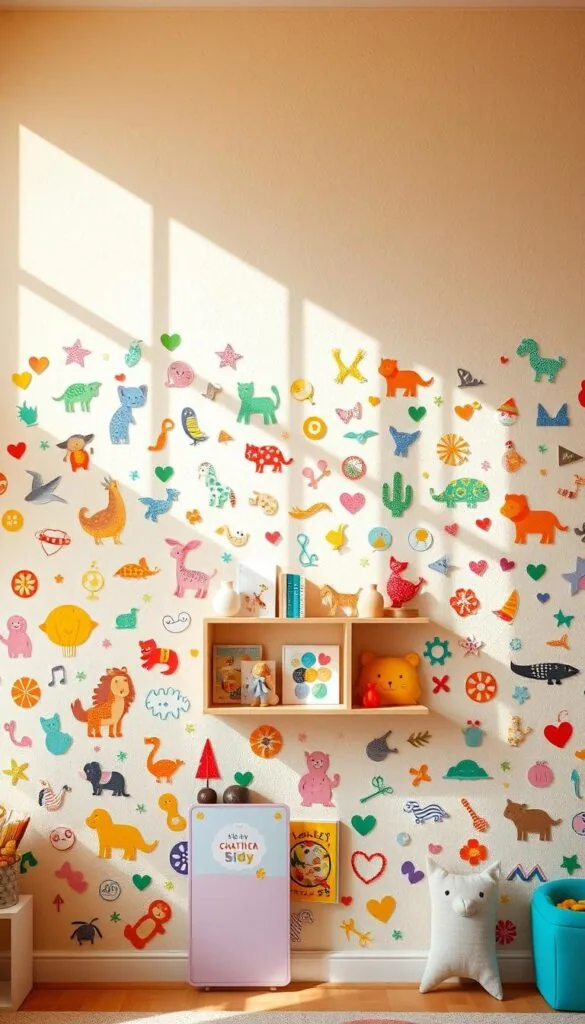
"A well-designed wall can be a daily adventure for a child," says interior designer Emily Carter. "Mix art, interactive surfaces, and ever-changing elements to keep curiosity alive."
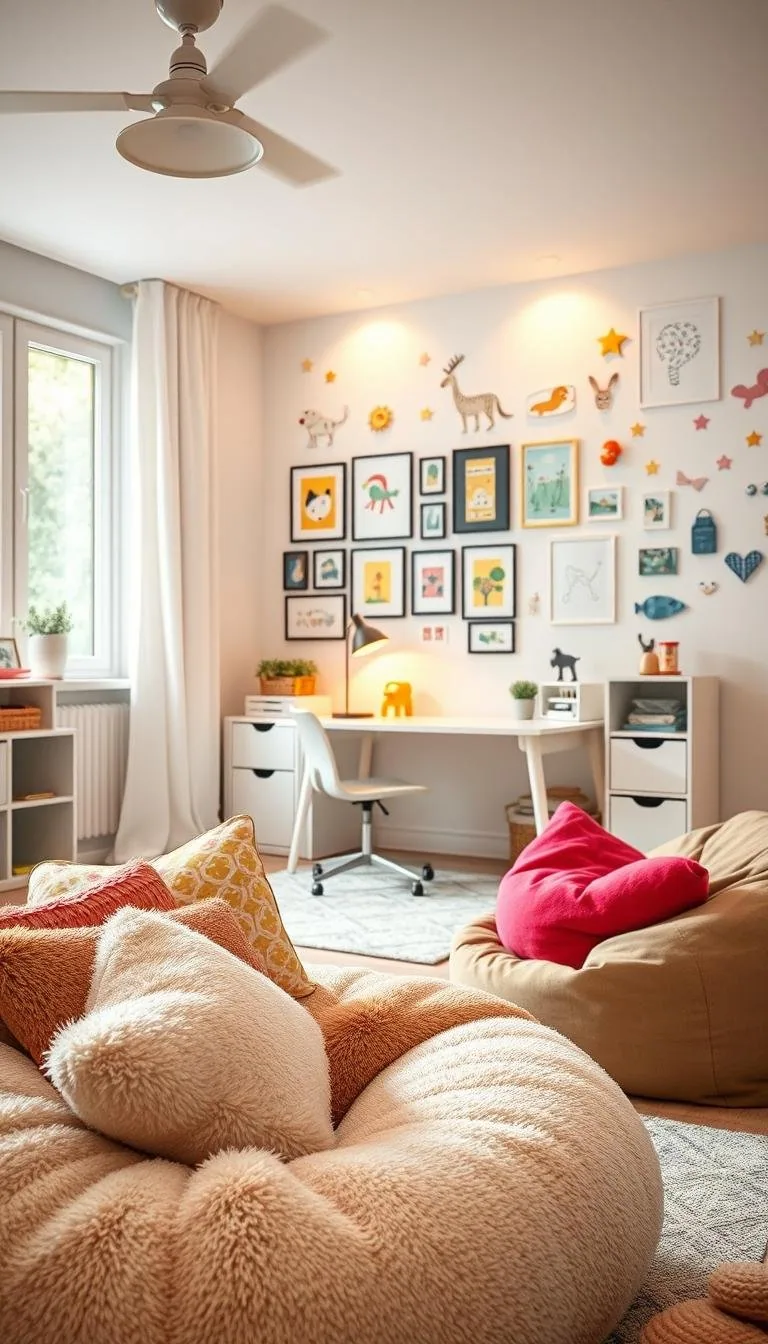
Creating a Gallery Wall
Begin with a playroom decor centerpiece that grows with your child:
- Use a magnetic bulletin board to rotate artwork, photos, and school projects instantly.
- Frame a mix of kid-made art and inspirational prints in coordinating colors.
- Add a height chart or removable decals to celebrate milestones without permanent marks.
Murals vs. Wallpaper
For bold statements, compare these options:
- Murals: Hire a painter for a custom scene (think jungles or galaxies) or apply peel-and-stick vinyl decals. Washable finishes let kids doodle safely.
- Wallpaper: Opt for peelable options in playful patterns like polka dots or planets. Eco-friendly materials offer kids room inspiration without long-term commitment.
Pair these elements with interactive surfaces like chalkboard paint for storytelling or magnetic walls for alphabet games. Let walls evolve as your child does—keeping creativity alive without sacrificing style.
Personalized Decor: Making It Special
Every child's space should feel uniquely theirs. Adding custom touches like name plates or artwork makes a room special. These details add charm and make kids proud of their space.
Whether it's handmade items or custom pieces, personalization grows with them. It becomes a source of inspiration for their kids room.
Custom Name Plates and Art
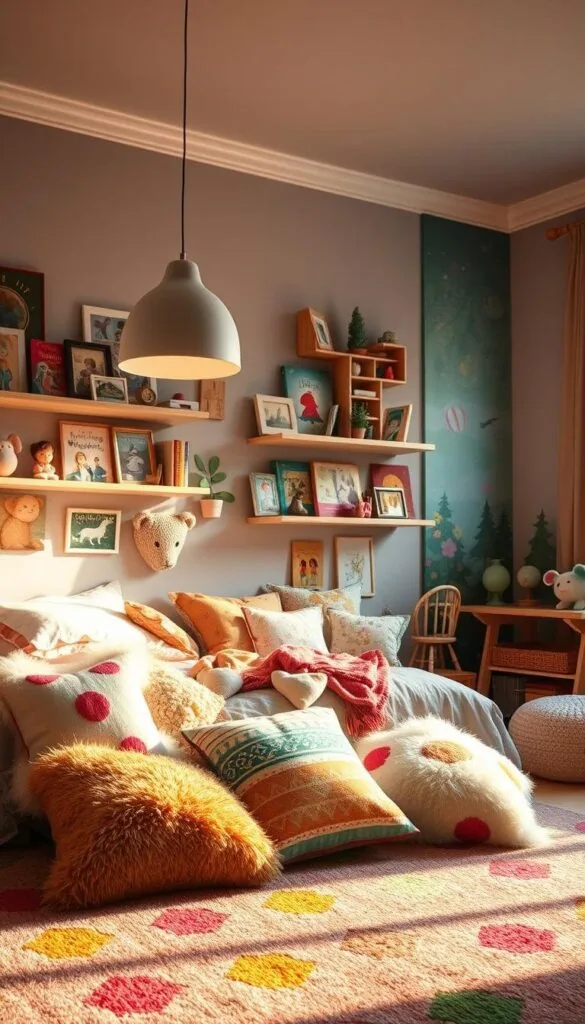
Begin with meaningful items. A custom name plate above their desk or bed is a great start. Choose from painted wood signs or digital prints.
For art, get a custom piece with their favorite animals or hobbies. Monogrammed blankets or embroidered pillows add a touch of elegance. They keep the room balanced without feeling too much.
DIY Projects to Involve Your Child
Encourage creativity with projects they can help with:
- Magnetic name art: Use alphabet letters on a painted board
- Handprint wall art: Cast resin or paint prints onto canvases
- Collage murals: Let them glue magazine clippings or photos to a poster board
These activities create bonding time and unique decorating ideas for kids rooms. Even small items like labeled storage bins with their drawings make the room special. As they grow, these personalized elements become cherished mementos. They show that a kids room is more than a space—it's a story of their journey.
The Importance of Lighting in a Kids Room
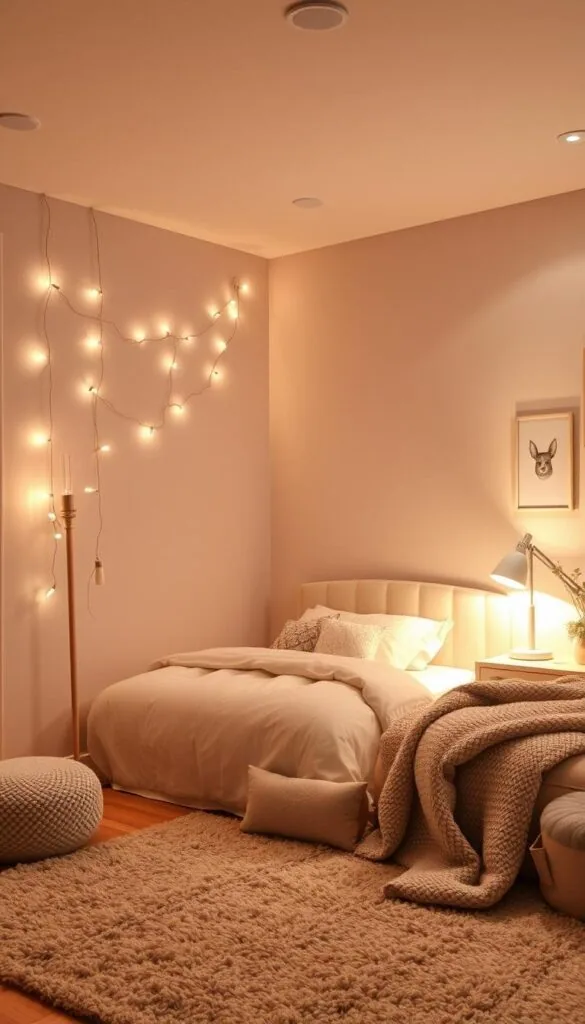
Lighting in a children's bedroom is key for safety and style. It helps with learning, playing, and sleeping. Choose fixtures that are bright yet warm.
Types of Lighting Fixtures
Every kids room needs three main lighting types:
- Ambient: Overhead lights like pendant lights or soft flush mounts
- Task: Desk lamps with adjustable arms for homework zones
- Accent: Nightlights with fun shapes or color-changing bulbs
Creating a Cozy Atmosphere
Dimmable switches help parents adjust the light for bedtime or playtime. Warm LED strips under shelves create a soft glow. Fairy lights add fun to playroom decor. Think about smart bulbs like Philips Hue for mood changes.
Remember safety first: Make sure heavy fixtures are wall-secured and use cordless lamps. Choose cool-touch lamps for beds and desks.
Natural light is also important. Sheer curtains let in sunlight while keeping things private. This makes spaces like playrooms feel welcoming and open.
Adding Textures with Rugs and Fabrics
Textures make a children's bedroom come alive—softening floors, cozying corners, and sparking curiosity. When updating your kids room, rugs and fabrics are great choices. They add style and function. Start with rugs that fit the space: choose area rugs under play zones or full-size options for open layouts.
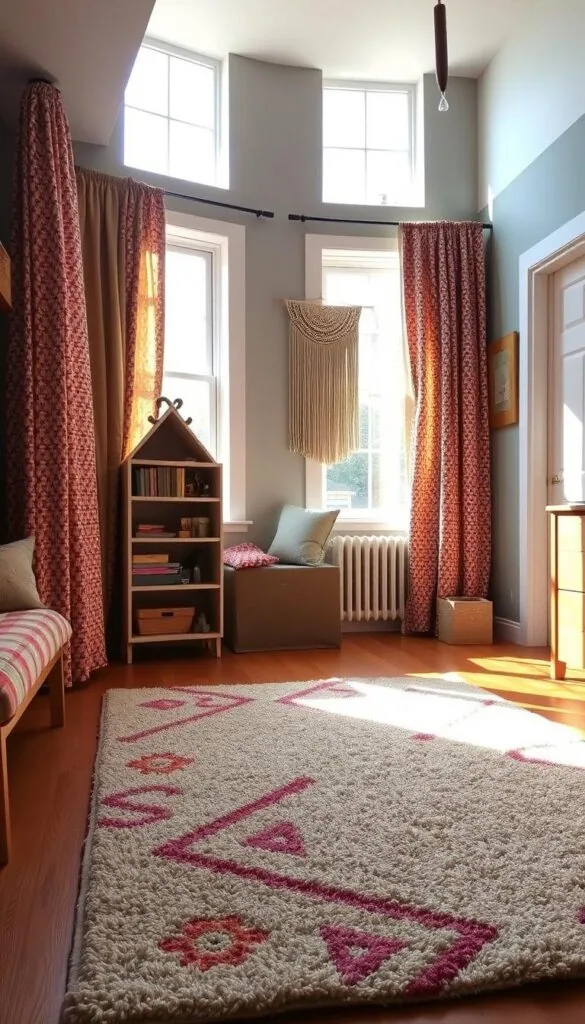
- Rug picks: Opt for washable materials like polypropylene or jute. Look for non-slip backing to prevent tripping hazards.
- Pile height matters: Shorter piles work best under play equipment, while plush textures suit reading nooks.
- Fabric fun: Layer flannel blankets, velvet throws, and faux fur accents to create tactile zones. Cotton canvas or leatherette are durable for high-traffic areas.
Think beyond the floor. Decorating ideas for kids room include using textured curtains—like woven linen—to block light and add depth. Mix patterns: geometric throws paired with smooth cotton bedding create visual and sensory contrast. For safety, avoid small embellishments that could come loose.
Textures stimulate a child’s sensory development while making spaces feel inviting.
Cost-effective updates? Swap out a throw pillow collection for seasonal themes or layer a new rug under a desk. Prioritize machine-washable fabrics rated for frequent cleaning. Small investments in tactile details can transform any kids room into a sensory playground.
Eco-Friendly Decor Options for Kids Rooms
Creating a sustainable kids room doesn't mean you have to give up style. Eco-friendly choices help the planet while keeping spaces safe and inspiring. Start by picking kids furniture made from renewable resources like bamboo or FSC-certified wood. Also, choose finishes without VOCs to keep the air clean.
Sustainable Materials to Consider
Choose organic cotton bedding and curtains to avoid harmful chemicals. Bamboo shelves or cork bulletin boards add texture without harming forests. When shopping, look for these certifications:
- FSC for responsibly sourced wood
- GREENGUARD for low chemical emissions
- GOTS for organic textiles
DIY Upcycling Ideas
Transform thrifted kids furniture with non-toxic paint. Try chalkboard surfaces on dressers or stencils on walls. Turn old jars into pencil holders or stack wooden crates for decorating ideas for kids room storage.
A quote from Parents for a Sustainable Future says: “Small changes, like repurposing toys or using secondhand decor, teach kids lifelong sustainability habits.”
Pair upcycled pieces with secondhand rugs or plantable seed paper wall art. Even small swaps—like swapping plastic toys for wooden ones—make a difference. Every choice in your kids room can align with eco-conscious values while staying budget-friendly and fun.
Organizing Toys and Books Efficiently
Making organizing kids room spaces work for both play and order starts with smart systems. Teaching children to keep their kids room tidy builds lifelong habits. Here’s how to balance function and fun without sacrificing playroom decor charm.
Creative Storage Solutions
Start by simplifying toy piles. Use see-through bins with photo labels so toddlers know where to return items. Over-the-door organizers save floor space for bigger play areas. For books, consider a low shelf arranged by color or theme to encourage browsing.
- Use stackable crates for seasonal toys
- Hang command hooks for backpacks and art supplies
- Rotate toy collections every 6-8 weeks to reduce clutter
Incorporating Play into Organization
Let storage double as play zones. A bench with hidden storage becomes a seat for dress-up. A wagon-style toy bin can pull double duty as a pretend grocery cart. Playroom decor like these items turn cleanup into imaginative adventures.
"When storage feels like play, kids take ownership of their spaces." – Dr. Laura Markham, parenting expert
For older kids, modular systems like IKEA’s KOMPLEMENT allow custom setups as interests change. Teach sorting skills by grouping items into “keep,” “donate,” or “store” boxes during seasonal rotations.
Pairing order with creativity keeps kids room organization from feeling like a chore. Small changes turn chaos into a space that grows with your child.
Tips for Maintaining a Stylish Kids Room
Keeping a stylish kids room simple is key. Small habits make it stay neat and fun. Start by making tidying a regular part of your routine. This way, the room stays both useful and full of imagination.
Regular Decluttering Habits
Take 15 minutes each week for quick tidying tasks. Teach kids to sort toys into bins and put them away after play. Seasonal cleanouts help get rid of things that no longer fit.
Use the "one in, one out" rule to avoid clutter. Donate toys you no longer need. This keeps the room tidy and useful.
Refreshing Decor as They Grow
As kids grow, their room needs to change too. Update bedding or wall art to match their new interests. A new paint job or rug can change the room's feel without big changes.
Involve kids in small decisions to make them feel part of the space. Updating storage or rearranging furniture keeps the room fresh. Even small changes, like rotating bookshelves or adding a new lamp, can make a big difference. This way, the room grows with your child, staying a place they love for years.