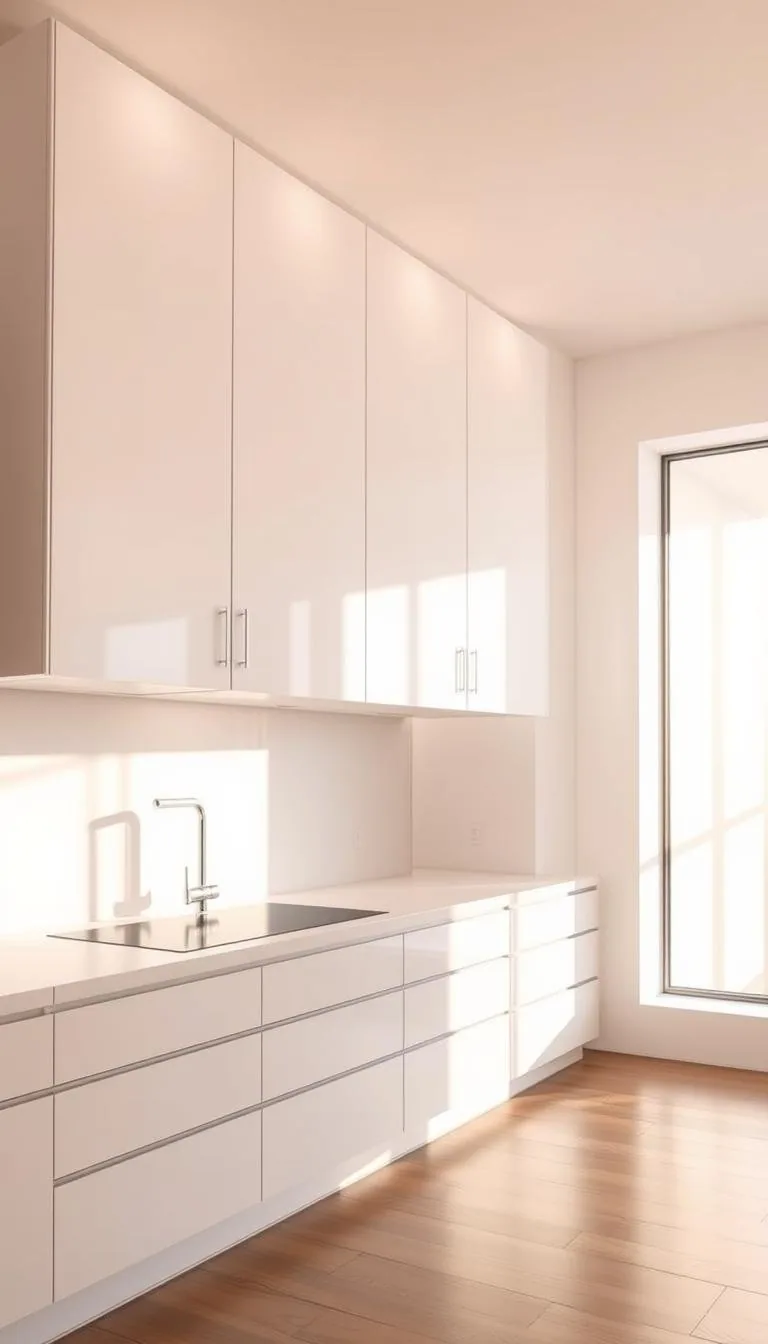
Kitchen floating cabinets are changing kitchens into stylish spots. They sit above countertops, making rooms feel bigger and more open. These cabinets are perfect for anyone wanting a modern look or a bit of contemporary flair.
These cabinets do more than look good; they save space and make kitchens look better. This guide will show you how to use them in any kitchen style. You'll learn about materials, how to install them, and the latest trends. This will help make your kitchen both useful and beautiful.
What Are Kitchen Floating Cabinets?
Kitchen floating cabinets are a mix of function and style in today's designs. They stick to walls using hidden fasteners, making it seem like they're floating. They're a hit in modern kitchen cabinets for their ability to fit well in open spaces and offer lots of storage.
“Floating cabinets transform spaces by balancing practicality with minimalist aesthetics.”
Definition and Overview
These cabinets are made from wood, metal, or glass. They use strong brackets that go into wall studs. Unlike old-fashioned cabinets, they don't have bases, which cuts down on mess and highlights their sleek look. Many people pick them for their ability to add flair without making small kitchens feel cramped.
How They Differ from Traditional Cabinets
- Installation: Mounted on walls vs. anchored to floors
- Design: Clean, minimalist profiles contrast with bulky, boxy styles
- Space: Leaves floors clear, ideal for compact layouts
- Accessibility: Positioned at eye level for easy access to essentials
Choosing modern kitchen cabinets that float offers flexibility in design. They also keep countertops and walls free of clutter. Their versatility makes them a great choice for both new homes and updates.
Benefits of Using Floating Cabinets
Space-saving kitchen cabinets are more than a trend. They're a smart choice. They change how your kitchen works and looks.
Space-Saving Advantages
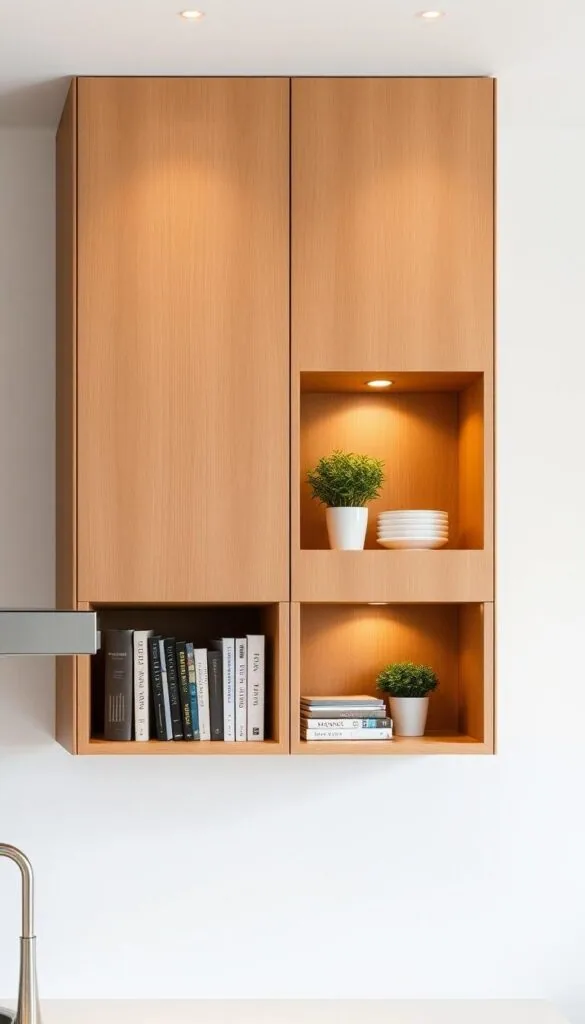
Floating cabinets get rid of bulky units, freeing up to 4 inches of floor space. You can put them under islands or in tight corners. This makes your kitchen more open.
They're light, so you won't have cluttered storage. This means cleaner floors and a brighter kitchen.
Enhanced Aesthetic Appeal
These cabinets make your kitchen look sleek and modern. Their simple design lets light move freely. Designers say they highlight countertops or backsplashes.
One stylist said, “The floating effect turns storage into art.” Mixing finishes or sleek hardware boosts the look.
Improved Accessibility
Adjust shelves to fit your needs. No more bending or stretching. Cabinets at waist height are easy to reach.
Features like pull-out shelves help everyone, including seniors. Custom heights make prep zones more efficient.
Ideal Kitchen Styles for Floating Cabinets
Floating cabinets make kitchens look great and work well. They fit many styles, from modern to rustic. Find the best fit for your kitchen here.
Modern and Minimalist Kitchens
Modern kitchens are all about clean lines and less stuff. Floating cabinets get rid of clutter, fitting right into minimalist homes. For a fancy kitchen, go for matte-black handles or glass doors. Stone countertops and matte white walls add to the simplicity.
- Use matte or glossy glass doors
- Match with neutral color schemes
- Add metallic accents sparingly
Farmhouse and Rustic Designs
Rustic kitchens become cozy with floating cabinets made from old wood or whitewashed wood. Distressed looks and exposed brackets add warmth. Mix with checkered floors or copper accents for a modern touch.
- Reclaimed wood with visible wood grains
- Distressed paint or whitewashed surfaces
- Pair with wrought-iron pulls or rope lighting
Contemporary and Industrial Looks
Industrial kitchens love floating cabinets with metal frames and open shelves. Exposed pipes or concrete countertops stand out against sleek cabinets. For a fancy look, try smoked-glass panels or brushed nickel handles.
- Metal framing with glass inserts
- Exposed light fixtures above cabinets
- Pair with blackened steel countertops
Choosing the Right Material for Floating Cabinets
Choosing materials for your floating cabinets affects both function and style. You can pick from natural woods to sleek modern blends. These choices shape your kitchen's look and performance. Let’s explore the best options for you.
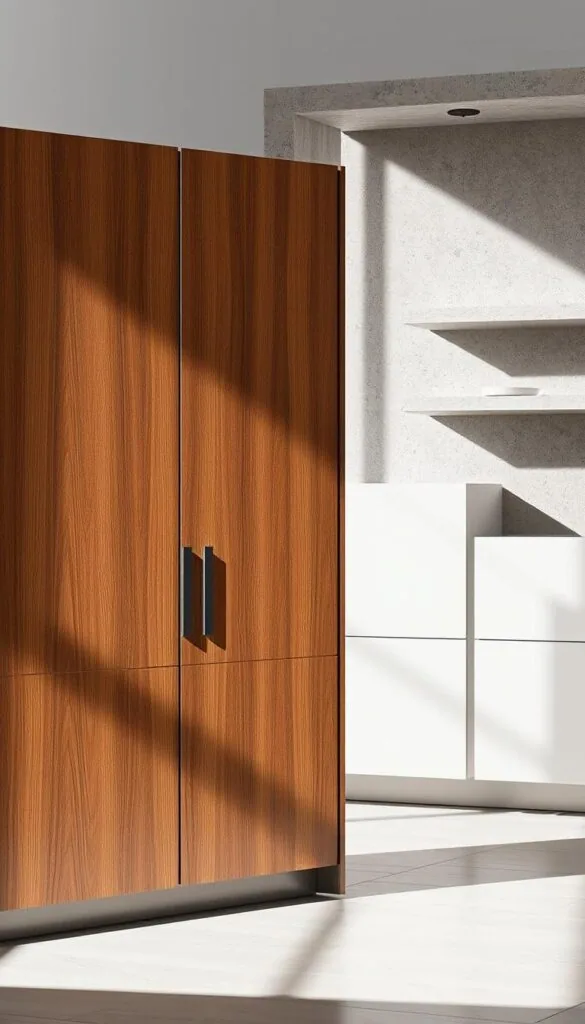
Wood Options: Pros and Cons
Wood adds warmth and timeless appeal. Popular choices include:
- Oak: Durable with classic grain patterns. Heavier but long-lasting.
- Maple: Resists scratches, stains well, and stays affordable.
- Walnut: Rich dark tones elevate any kitchen but need regular sealing.
- Bamboo: Eco-friendly and budget-friendly, though less resistant to heavy use.
Metal and Glass Combinations
Metal paired with glass creates clean lines and lightness. Stainless steel and tempered glass blends, or brushed nickel with frosted glass, offer modern stylish cabinet options. These materials open up small spaces and reflect light, making rooms feel brighter.
Laminate Finishes
Laminate provides stylish cabinet options at a fraction of the cost. Today’s laminates mimic wood or marble and resist stains. Choose from bold colors or subtle textures. While once seen as low-quality, modern laminates are durable and easy to clean.
Size and Layout Considerations
Planning the perfect layout starts with understanding your kitchen’s unique dimensions. Whether you’re working with a small galley kitchen or a spacious island setup, accurate measurements are key to a functional design. Here’s how to approach sizing and placement with confidence.
Measuring Your Space
- Use a tape measure to note wall width and height, marking locations of electrical outlets, pipes, or studs.
- Leave at least 30 inches of clearance below cabinets for easy movement.
- Align cabinets with adjacent countertops or appliances for visual balance.
- Use a tape measure to note wall width and height, marking locations of electrical outlets, pipes, or studs.
- Leave at least 30 inches of clearance below cabinets for easy movement.
- Align cabinets with adjacent countertops or appliances for visual balance.
Tip: Snap photos of your space from multiple angles to spot any layout issues.
Common Dimensions for Floating Cabinets
Most designs follow these guidelines but remember customizable kitchen cabinets can adapt to any niche:
- Depth: 12–14 inches for upper cabinets
- Height: 48–52 inches above countertops
- Width: 30–48 inches per unit (adjust based on wall space)
Need a non-standard size? Many manufacturers offer customizable kitchen cabinets to fit awkward corners or tight spaces. Prioritize accessibility—leave 18–24 inches of open floor space in front of cabinets.
Installation Tips for Floating Cabinets
Installing kitchen floating cabinets needs careful attention for safety and style. Whether you're skilled in DIY or prefer a pro, planning is essential. Let's look at how to pick the right method and steer clear of common mistakes.
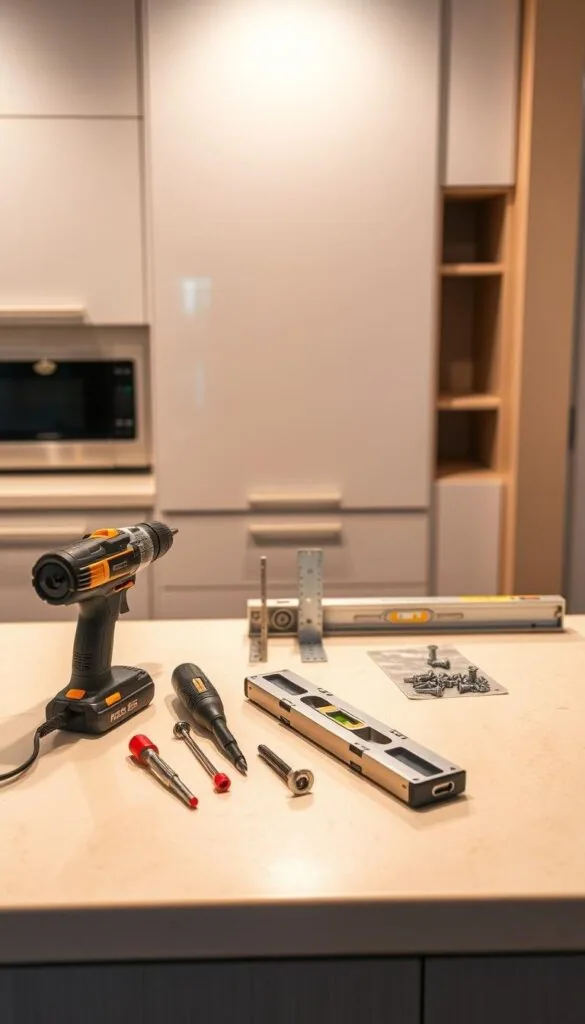
DIY vs. Hiring a Professional
First, check your DIY skills. For small kitchen floating cabinets and simple setups, DIY can be cost-effective. It's best if you're familiar with tools. But, for big units or complex designs, a pro is safer and more reliable.
Experts handle the heavy lifting, ensuring cabinets are mounted right. They also manage electrical or plumbing tasks, which might be part of their service.
Essential Tools for Installation
- Stud finder: Finds wall studs for solid mounting.
- Level: Keeps cabinets straight and balanced.
- Drill and screws: Choose the right hardware for your wall type (drywall, masonry).
- Cabinet jigs: Helps with precise alignment during assembly.
Common Mistakes to Avoid
- Ignoring wall stability: Always anchor into studs or use heavy-duty anchors for extra weight.
- Sloppy leveling Even a slight tilt looks unprofessional. Double-check with a spirit level.
- Skipping clearance checks: Measure space between cabinets to avoid door or drawer jams.
Pro tip: Test fit all hardware before drilling. A small mistake here could mean big headaches later!
Color Schemes and Finishes
Choosing the right colors and finishes for your floating kitchen cabinets can make a big difference in your kitchen’s style. From bold hues to subtle tones, these decisions shape the overall vibe. Let’s explore how to pick options that align with your space.
Popular Color Choices
Neutral tones like white, beige, or gray work well as a blank canvas for modern spaces. For drama, try bold shades such as navy, emerald, or burnt orange. Two-tone combos—like dark cabinets against light walls—highlight the floating effect. Lighter colors can expand small kitchens visually, while deep hues add warmth to open layouts.
- White: Timeless and brightens small spaces
- Earthy tones: Perfect for rustic or farmhouse styles
- Black accents: Create contrast in minimalist designs
The Impact of Finish on Style
Finishes transform floating kitchen cabinets into statement pieces. High-gloss surfaces mirror light, ideal for contemporary kitchens. Matte finishes offer a soft, unobtrusive look. Distressed wood adds rustic charm, while metallic accents like brushed brass introduce sleek modernity.
- Glossy: Adds shine and space-enhancing light
- Matte: Subtle and chic for cozy atmospheres
- Textured wood: Adds depth to cabinetry designs
Maintenance and Care for Floating Cabinets
Keeping your floating cabinets in good shape is key. Regular cleaning and taking care of them can make them last longer. Here are some tips to keep your cabinet storage solutions looking great.
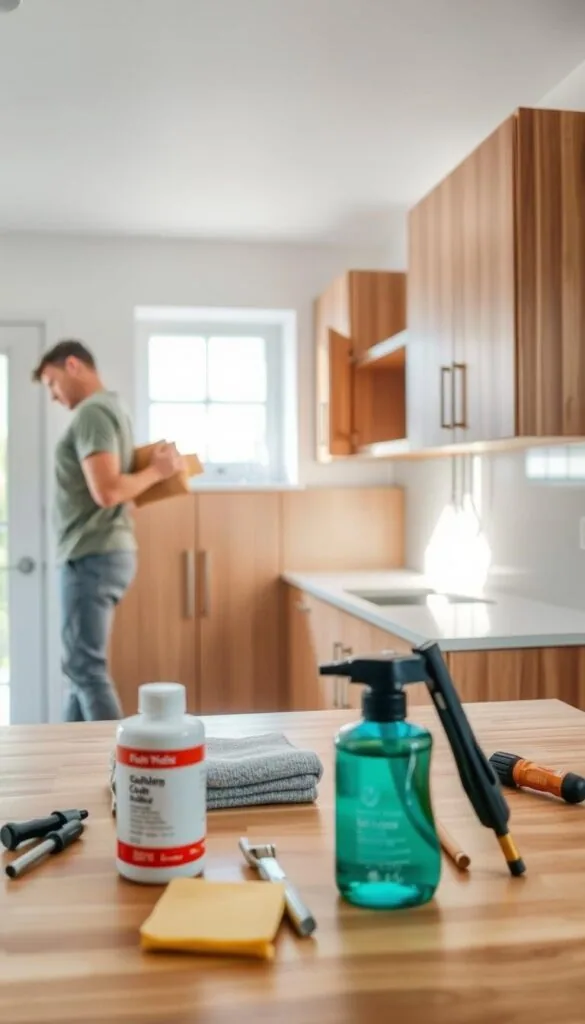
Cleaning Tips and Best Practices
First, know what your cabinet is made of:
- Wood: Clean with a soft cloth and mild soap. Stay away from harsh chemicals that can harm the finish.
- Laminate: Use a damp cloth for cleaning. Don't use abrasive sponges to avoid scratches.
- Glass/Metal: Glass needs glass cleaner, and metal needs stainless steel polish.
Make sure to dry surfaces well to avoid water spots. Clean them every week to keep them looking and working well.
How to Protect Against Wear
Here are ways to prevent damage:
- Avoid Moisture: Clean spills right away. Use silicone-backed hardware in wet places to stop rust.
- Check Hardware: Tighten screws once a year and check for loose parts. Fix any damage quickly.
- Weight Management: Spread out items in your cabinets to avoid overloading. Stick to the weight limits to prevent sagging.
- Protect Surfaces: Use coasters under heavy items to avoid scratches. Install soft-closing hinges to lessen wear from slamming.
Regular checks and smart organization keep your cabinets looking new. Taking good care of them ensures your cabinet storage solutions stay both durable and stylish for a long time.
Incorporating Lighting with Floating Cabinets
Lighting is key in making modern kitchen cabinets stand out. The right lights can make floating cabinets the center of attention. They add both style and function. Let's see how to choose the best lighting for them.
Under-Cabinet Lighting Ideas
LED lights under cabinets are both useful and eye-catching. LED tape lights or puck lights can be wired or battery-run, giving you options. Choose 3000K-4000K color temps for the right mix of warmth and light. Smart dimmers let you change the mood for any time.
These lights also make the cabinets look like they're floating by casting shadows below.
Pendant and Wall Sconce Options
Match floating cabinets with simple pendants in matte black or brushed brass for a unified look. Wall sconces near the cabinets can highlight their clean lines. Here are some suggestions:
- Pendant lights in unique shapes to contrast with the cabinets
- Adjustable LED wall sconces to focus on the cabinet edges
In open kitchens, string lights above or below cabinets create a warm glow. They don't overwhelm the space.
By using these ideas, you can make modern kitchen cabinets more than just storage. Lighting can guide the eye and make your kitchen feel more welcoming.
Floating Cabinets as a Storage Solution
Floating cabinets are stylish and practical, thanks to cabinet storage solutions. Their open design lets you get creative. Here's how to make them efficient storage spots without losing style.
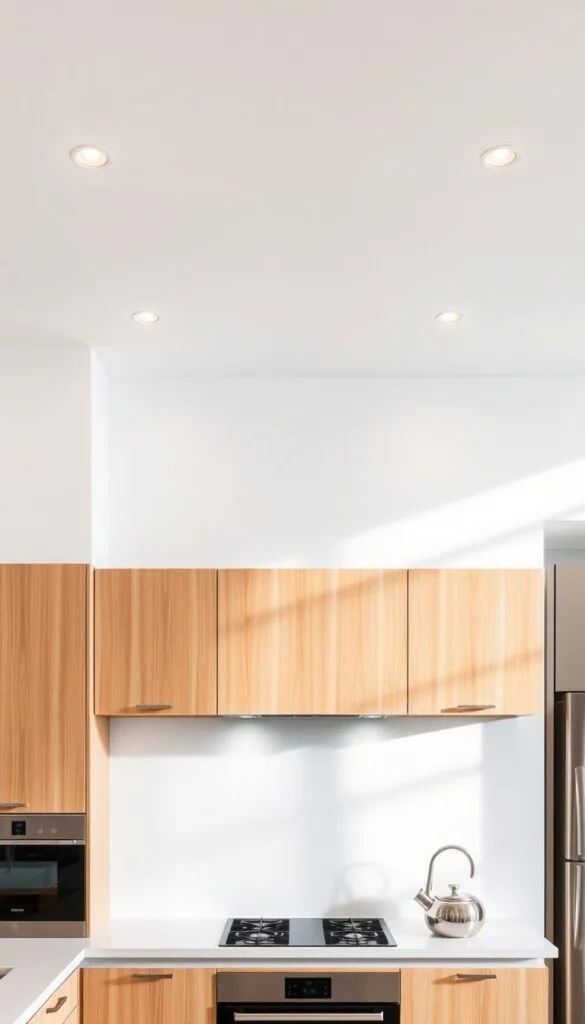
Maximizing Storage with Smart Design
Full-extension drawers and pull-out shelves save space. Use vertical racks for baking sheets and magnetic strips for knives. Brands like IKEA and Delta have modular systems for your needs.
Every corner is valuable. Use angled corners or slide-out trays to avoid mess.
- Full-extension drawers for full access
- Pull-out shelves for deep-space storage
- Vertical dividers for plates or glasses
- Magnetic strips or spice inserts
Organizing Kitchen Essentials
Begin by sorting items by use. Put daily tools in top cabinets and seasonal items lower. Use stackable containers from The Container Store or Amazon Basics for spices and snacks.
Transparent bins help you see what's inside without digging. Labeling and regular cleaning keep things tidy.
Open shelves need careful planning. A well-organized setup makes floating cabinets stand out. They should be clean, functional, and reflect your style.
Trends in Kitchen Floating Cabinets
Keeping up with kitchen design trends is key. Knowing what's new in stylish cabinet options is essential. From materials to technology, here's what's shaping high-end kitchen design today.
Current Design Trends
- Mixed materials: Wood fronts paired with metal accents add texture and contrast.
- Asymmetrical layouts create visual energy without overcrowding spaces.
- Open shelving combined with closed cabinets balances style and practicality.
- Sustainable woods like bamboo or reclaimed oak are gaining traction.
Innovative Features to Look Out For
- Wireless charging pads built into cabinet surfaces for phones and devices.
- Motion-activated LED strips under shelves for task lighting.
- Hydraulic lifts for adjustable height storage in taller units.
- Touch-latch systems replacing traditional knobs for sleeker lines.
- Smart cabinets with voice-controlled temperature zones or inventory sensors.
Not all trends last. Focus on features that mix beauty with everyday use. Eco-friendly materials, for example, enhance both style and sustainability.
Conclusion: Elevate Your Kitchen with Floating Cabinets
Floating cabinets bring a sleek look and flexibility to kitchen design. They offer a perfect mix of function and style.
Recap of Key Benefits
These cabinets save space by storing items above counters. They come in various materials like wood or glass. This lets you match your kitchen to any style.
They also make cleaning easy and keep your kitchen looking good. This makes daily tasks simpler.
Final Thoughts on Choosing Floating Cabinets
Customizable cabinets fit your space and lifestyle best. They're great for adding style without big changes. Think about how they match your kitchen's look and feel.
Whether you want more storage or a modern look, these cabinets can help. Even small changes can make a big difference.